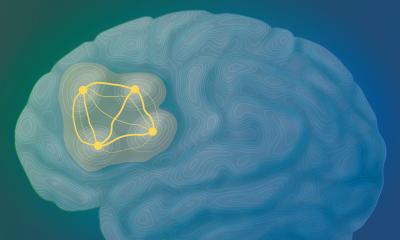
Cellular Plasticity Allows Glioblastoma to Evade Anti-Cancer Treatments
Glioblastoma has long frustrated clinicians and researchers because its cells refuse to behave as a single, uniform target. Killing over 100,000 people each year worldwide, this aggressive and most common type of malignant brain tumour in adults is characterized by cells that shift dynamically between distinct molecular states. Some resemble nerve cells, others look like stem cells, and many become trapped in an aggressive, injury-like condition. This cellular plasticity allows the cancer to evade anti-cancer treatments, since a therapy that eliminates one cell state often leaves others untouched. For a long time, specialists across the discipline firmly believed this transition between states occurred entirely at random and could not be anticipated.
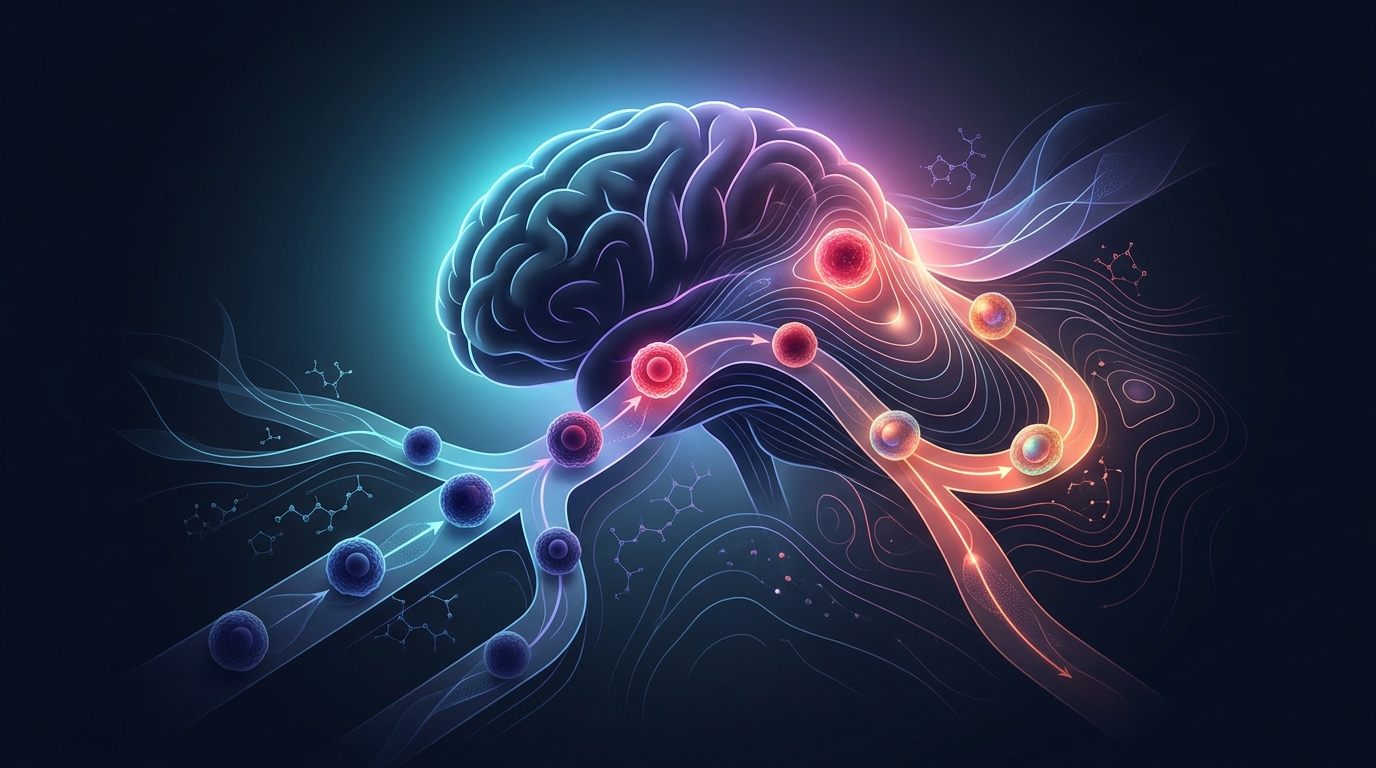
That assumption was challenged directly when two companion studies were published in the journal Nature, detailing groundbreaking work from researchers at the European Molecular Biology Laboratory (EMBL), the German Cancer Research Center (DKFZ), and the Wellcome Sanger Institute in the UK. As EMBL reported, the research demonstrates how glioblastoma tumour cells move between distinct cellular states along predictable, repeatable paths, and how this process is governed by distinct gene regulatory networks.
Building a Molecular Atlas of Glioblastoma Cells
To rebuild the picture of glioblastoma from first principles, researchers needed to step away from historical assumptions. Omer Bayraktar, Group Leader at the Wellcome Sanger Institute and a newly appointed professor at the UCL Cancer Institute, described the motivation bluntly in findings highlighted by ScienMag: can researchers assume they know nothing about the disease and reconstruct how a cancer cell behaves through quantitative approaches?
Backed by a grant from Wellcome Leap, Bayraktar and his colleagues analyzed RNA, DNA, and epigenetic modifications across tumour samples from 12 patients, producing what is currently noted by the authors as the most comprehensive molecular atlas of glioblastoma yet created. Epigenetic marks—the molecular annotations that regulate gene expression—were mapped alongside the genetic sequence and RNA readouts, giving an unusually complete view of what each individual cell was doing. Collaborating to untangle this intricate dataset, Bayraktar’s group partnered with Oliver Stegle’s team at EMBL Heidelberg and DKFZ, who possess specialized expertise in deploying sophisticated computational techniques to address core questions in the life sciences.
“We wanted to figure out whether there is a specific rule-based system that determines how cells transition between these states.”
said Oliver Stegle, framing the central inquiry of the collaboration. The answer they found was emphatic. Contrary to the long-standing view that state-shifting is unpredictable, glioblastoma cells follow stereotypical, predictable paths between cell states. Integrating single-cell data with spatial transcriptomics revealed a meticulous spatial architecture inside every single glioblastoma tumour studied from every patient.
Regulating Cellular Plasticity Through AI and Single-Cell Omics
Knowing that glioblastoma cells follow certain stereotypical trajectories between states, researchers then set out to investigate how this process is regulated, turning their attention to gene regulatory networks. Led by Moritz Mall’s team at DKFZ, researchers examined gene regulation signatures in over one million patient-derived glioblastoma cells.
The team also identified a set of safeguards—specific regulators that arrest cells in low-plasticity states, preventing them from transitioning to other states. These regulators could potentially be targeted genetically or pharmacologically as part of future cancer therapies.
“One of our premises has always been that when we understand these rules, we can not only observe what the cells are doing, but we can also change what they are doing.”
said Moritz Mall. To learn from the vast natural variations in gene regulation across more than a million cells, Stegle’s team developed scDORI, a deep learning method that infers gene regulatory networks at single-cell resolution. By comparing how regulators and their target genes change together, scDORI pinpoints which regulators steer cells toward one state or another.
Reprogramming Tumour Cell Identity in the Lab
The researchers tested their predictive model in patient-derived brain tumour cells and three-dimensional organoids. They found that similar cell state trajectories emerged in these organoids, confirming that the trajectories were a genuine feature of the disease rather than a sampling artifact.
When Mall’s team overexpressed MYT1L—one of the safeguard regulators identified by the study—they successfully reduced cellular plasticity and tumour malignancy. When transplanted into mice, these modified tumours resulted in better survival outcomes than control tumours. By manipulating just a handful of regulators, the researchers were able to steer tumour cells into specific states, effectively demonstrating that the predictions of the new model can be used to engineer the identity of a tumour cell.
While clinical applications remain some way off, this framework provides researchers with a deep molecular toolset to understand tumour cells and spot common patterns. The research teams are now applying this approach to other cancers and brain disorders, turning the immense heterogeneity that makes glioblastoma so difficult to treat into the very key used to decode it.
Related reading
WashU Medicine Researchers Verify New Methods to Detect Rare Somatic Mosaicism DNA Changes
Washington University Researchers Verify Genetic Tools for Rare DNA Changes Washington University School of Medicine researchers have confirmed...

Irish Academic Tom Felle Falsely Claimed Doctorate from London University
A leading Irish academic and prominent voice on media disinformation has found himself at the center of an...

Philippine Unemployment Rate Rises to 5.4% in September as Labor Force Grows
Philippine Unemployment Rises to 5.4% as Labor Force Expands With Fresh Jobseekers More Filipinos entered the labor force,...
New tRIBO-seq Method Reveals How Active tRNAs Drive Protein Synthesis
Scientists Catch tRNAs in the Act, Rewriting How We See Cell Biology For decades, scientists have been taking...