
A study published online November 4 in Science Advances identifies the gene HOXA10 as the brake that keeps bone stem cells from maturing too early. That brake preserves the lifelong supply of cells that make fracture healing possible. Led by NYU Langone Health researchers, the work shows that mice engineered without the gene burn through their stem cell reserves and fail to heal broken bones.
Philipp Leucht, MD, PhD, Jyoti Menon Associate Professor of Orthopedic Surgery at NYU Grossman School of Medicine, said the new study shows HOXA10 holds cells in the immature state until healing demands them.
Bone stem cells face a standing choice: continually divide to make more copies of themselves as a ready pool of replacements, or mature into bone-building cells called osteoblasts. To the team’s knowledge, it is the first study to assign a definitive role for HOX genes in the active maintenance of adult skeletal stem cells.
Mice Without HOXA10 Lose 90 Percent of Stem Cells
The researchers deleted HOXA10 in 6-day-old mouse pups and tracked the animals for 15 months. By the end of that period, 90 percent of the stem cells and descendants that should have been present were gone due to a loss of self-renewal.
Using fluorescent green tagging, the team found that HOXA10-positive cells in the periosteum, the membrane covering most bones, outperform other stem cells at colony-forming. That is a standard readout of self-renewal capacity.
Fractures That Fail to Knit Without the Gene
Mice engineered to lack HOXA10 action could not heal properly after breaking a bone. In the callus, the temporary tissue bridge spanning a break, stem cell progenitors made up only 48 percent of the tissue, compared with 76 percent in control mice with a functional gene.
Other experiments showed deleting the gene leaves the collagen proteins disorderly. Those proteins lay the early framework for rebuilding bone. The rope-like scaffold must be arranged in neat lines, not a tangled mesh, for new bone to harden with calcium.
Human Cells Lean on HOX Genes Even Harder
In bone biopsies from human patients, the team silenced three related HOX genes at once. The human cells responded like the mouse cells, only with more dramatic reductions in stem cell numbers. Apoptosis, programmed self-destruction, rose by 50 percent. That suggests human stem cells may depend even more on HOX genes for long-term self-renewal, Leucht said.
HOX genes are already known to encode proteins that specify the position of limbs in the womb. The new paper builds on a 2023 study led by Leucht showing that increasing HOXA10 activity improved fracture healing in older mice.
Leucht said the findings establish HOX genes as potential therapeutic targets for enhancing bone regeneration.
Worth a look

NASA Swift Observatory Faces Uncontrolled Reentry After Failed Rescue
The Neil Gehrels Swift Observatory is on a collision course with Earth after two decades in orbit, following...

NASA Simulated Mars Mission Crew Emerges After 378 Days
Four volunteers exited a sealed 1,700-square-foot habitat at NASA's Johnson Space Center on October 31, 2026, successfully concluding...
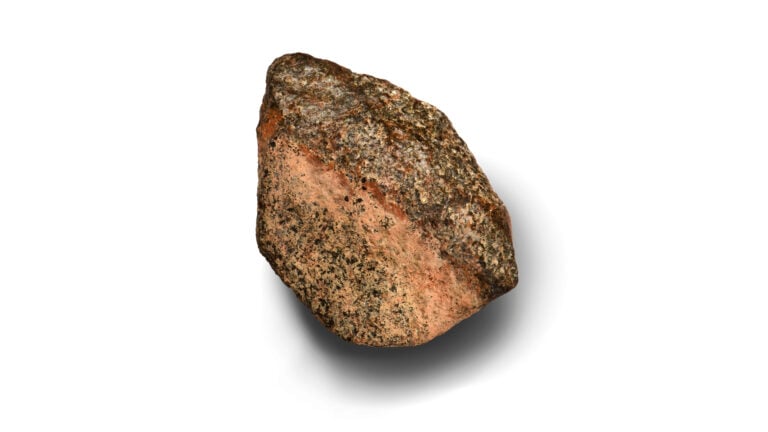
4.1-Billion-Year-Old Meteorite From Mars Discovered in Sahara Desert
Discovered in the Sahara Desert in 2022, a nearly two-pound rose-colored rock found in Mali has been identified...

You start painting pictures of squirrels twirling their mustaches’: A biologist on whether animals can lie
Biologist James O'Hanlon tackles tactical deception and whether animals can truly lie in his 2026 book Liars, Cheats...