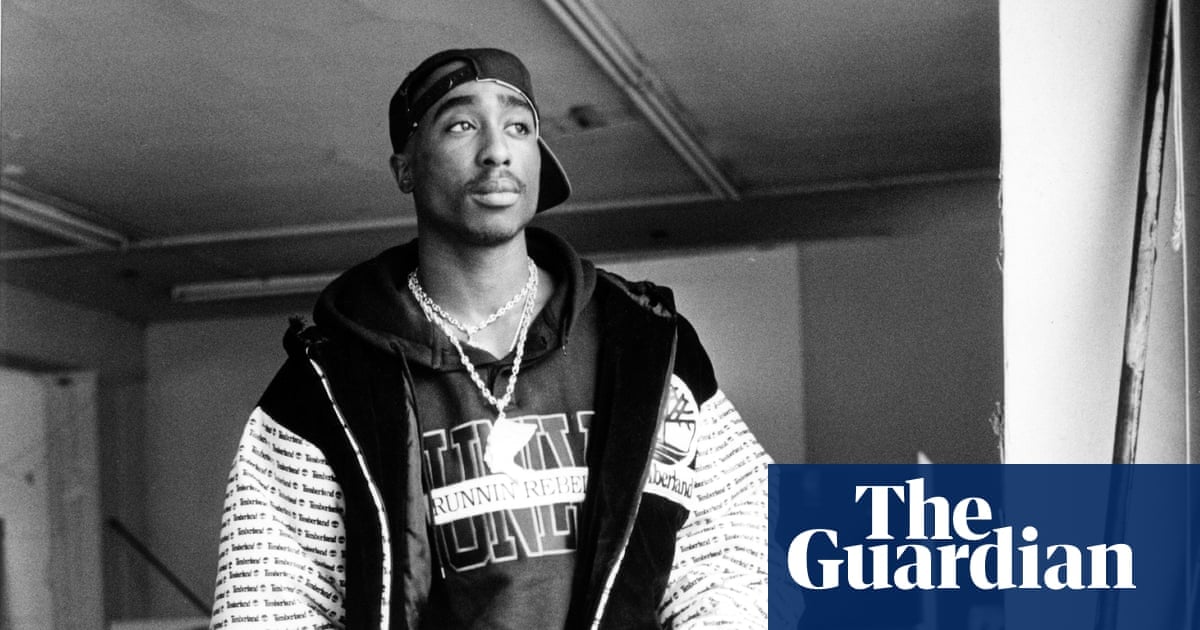
Following a swift jury verdict on August 31, 2026, Duane Keefe D
Davis was convicted of first-degree murder with a deadly weapon for orchestrating the 1996 killing of hip-hop icon Tupac Shakur. The case exposed decades of police inaction, conflicting gang rivalries, and long-standing investigative gaps.
The courtroom doors shut on nearly thirty years of unanswered questions when a Las Vegas jury returned a swift verdict after deliberating for less than three hours. Duane Keefe D
Davis, a Southside Compton Crips gang leader and drug dealer, was convicted of first-degree murder with a deadly weapon and now faces life in prison. He stands as the very first person to stand trial for a crime following Shakur’s death in September 1996.
Inside the Trial Evidence and the Role of Media Interviews
The prosecution’s case rested heavily on public statements Davis made about the shooting in his memoir and across multiple media appearances. Prosecutors argued that these admissions provided details only an eyewitness and participant could know. A former federal prosecutor noted that the speed of the jury’s verdict calls into question why an arrest took nearly three decades, given the persistence of public information surrounding the crime.
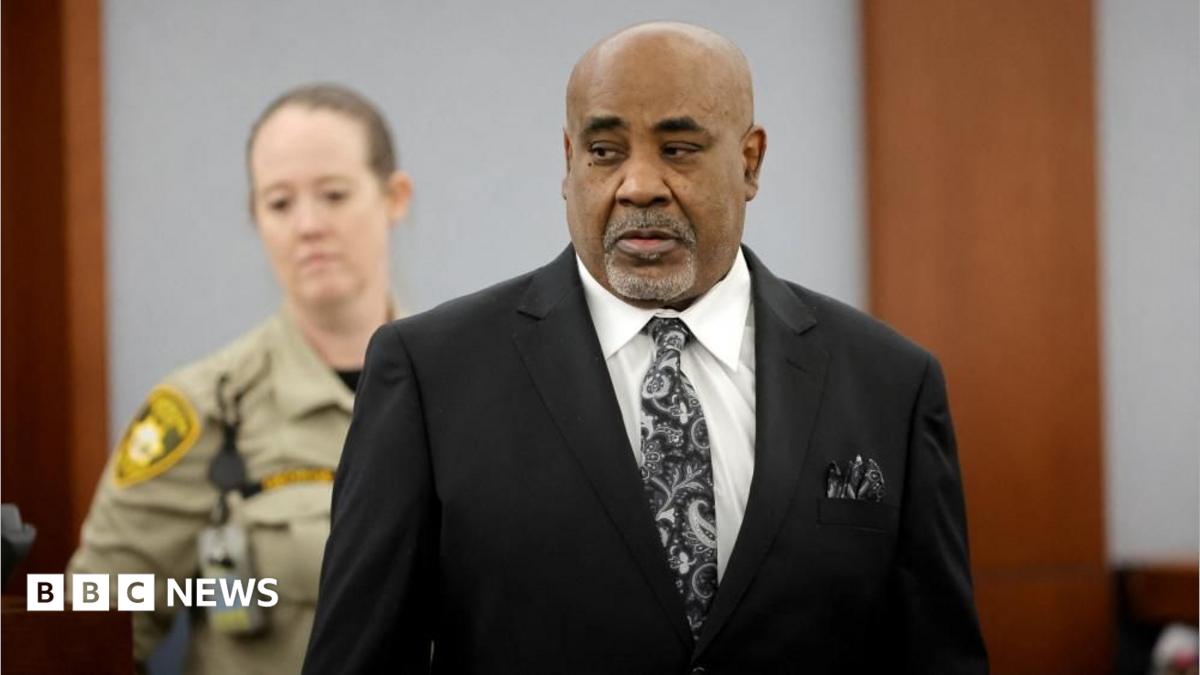
Davis attempted to challenge the legal basis of the prosecution throughout the proceedings. His legal team filed a motion to dismiss the charges, pointing to the immense delay and arguing that authorities had failed to honor prior immunity agreements. Attorney Carl Arnold stated in a filing that the failure to honor immunity agreements undermines the criminal justice system’s integrity and irreversibly prejudiced his client. The court denied the motion, allowing the trial to proceed.
During the trial, prosecutors played recorded interviews in which Davis discussed meetings regarding the incident.
“Which of those four is it when you talk to him about murdering Tupac?”
Kading, Detective
Davis responded that the conversations involved both Shakur and Marion Suge
Knight.
Compton Police Failures and the Casino Clash That Triggered Retaliation
Testimony at the trial brought fresh scrutiny to law enforcement coordination and missed opportunities. Surveillance footage shown in court captured Shakur, Death Row Records founder Marion Suge
Knight, and their associates assaulting Orlando Baby Lane
Anderson—Davis’s nephew—at the MGM hotel in Las Vegas. Duane Davis later acknowledged that this casino altercation served as the immediate trigger for the retaliatory shooting.

Reggie Wright Jr., former head of security for Death Row Records and a retired Compton police officer, testified that he made urgent phone calls to a police lieutenant in Compton within hours of the shooting. He warned his father, Reginald Wright Sr., then head of the Compton gang unit, that trouble was imminent. Compton gang homicide detective Robert Ladd testified that police anticipated immediate violence, stating We expected war
as rival factions braced for impact.
That anticipated conflict erupted into a ten-day span marked by three killings and ten attempted murders, including an attack that left a ten-year-old girl in critical condition. Ladd testified that the immediate intelligence left no doubt that the Southside Crips were responsible because the Mob Piru Bloods retaliated directly against them. In response, police rounded up numerous local gang members in October 1996, including Anderson, and invited Las Vegas investigators to interview them.
Legal Defenses and the Unresolved Shadows of a Decades-Long Investigation
Despite the conviction, defense attorneys maintained that the prosecution lacked physical corroboration. Davis’s lawyer, Sanft, challenged jurors during the proceedings to weigh whether repeating sensationalized book narratives constituted factual proof of a crime. Defense counsel argued that witness accounts were inconsistent and that the broader investigation had long suffered from administrative friction and missing evidence.
Legal scholars observed that the prolonged silence surrounding the case highlighted profound disparities in how law enforcement investigates homicides depending on the victim’s background. Jody Armour, a law professor at the University of Southern California, pointed out that if an international icon could be murdered on a major boulevard with the case languishing for decades, it raises serious questions about how standard violence in neighborhoods like Compton or South Central is handled.

Matilda The Musical celebrates 15 years in London’s West End
Matilda The Musical is celebrating 15 years in London's West End.

Singer Raye Wins 2026 Mercury Prize for ‘This Music May Contain Hope
Singer Raye won the 2026 Mercury Prize on Thursday evening in Newcastle for her second studio album, This...

Diana Reid redefines Jane Austen’s Sense and Sensibility
Diana Reid’s new adaptation of Sense and Sensibility, directed by Georgia Oakley, reimagines Jane Austen’s 1811 novel with...

Jung Jaehyung Reveals Lee Sedol’s Surprisingly Talkative Nature on New Variety Show
Singer-songwriter Jung Jaehyung revealed at a Yeouido-dong production presentation that Go player Lee Sedol is surprisingly talkative on...