
Researchers using non-invasive tools like EEG and fMRI are probing infant brain development to pinpoint when consciousness emerges. Studying rapid neural growth during infancy offers a unique window into sensory processing, self-awareness, and foundational awareness that could improve early diagnosis of developmental disorders.
Researchers are exploring the minds of growing babies to discover the exact time when awareness first develops in early human life.
Indirect Measures and Non-Invasive Brain Imaging Techniques
Studying infant consciousness is fraught with methodological challenges because infants cannot verbally report their experiences, making direct assessment impossible. To overcome this hurdle, researchers rely on indirect measures, such as behavioral responses and brain imaging techniques like electroencephalography (EEG) and functional magnetic resonance imaging (fMRI). These instruments enable researchers to track baby reactions to stimuli, processing of sensory data, and displays of engagement and attention that point toward early awareness.
Non-invasive methods are prioritized to ensure the safety and comfort of the infants involved. EEG measures electrical activity in the brain through electrodes placed on the scalp, making it particularly useful for capturing rapid neural changes associated with sensory processing and attention. Meanwhile, fMRI provides detailed information about brain structure and function by detecting changes in blood flow, though it requires the infant to remain still within a scanner. Researchers also observe behavioral cues—including eye movements, facial expressions, vocalizations, and motor responses to stimuli—and correlate them with neural activity to build a more complete picture of an infant’s internal experience.
Sensory Integration and the Development of Self-Awareness
Infants constantly take in and make sense of massive streams of visual, auditory, tactile, gustatory, and olfactory data while engaging with their surroundings.
Investigators are studying the ways these different senses are handled and combined to form a structured perception of reality.
Having the capacity to combine inputs from multiple senses is considered a vital element for conscious experience, creating a single cohesive reality instead of disconnected perceptions.
Beyond basic sensory processing, researchers are exploring the development of self-awareness. This involves the recognition of oneself as a distinct entity, separate from the environment and other individuals. Although this ability is generally linked to later phases of growth, certain research points to the possibility that basic types of self-awareness might start appearing during infancy.
Clinical Applications and Broader Theoretical Implications
A clearer grasp of infant consciousness could have significant practical applications in clinical settings, such as improving methods for diagnosing and assessing neurological conditions in infants, including developmental disorders or disorders of consciousness. Early identification and intervention are critical for optimizing outcomes for infants with neurological challenges.
The findings could inform our understanding of consciousness in non-human animals and artificial intelligence. By uncovering the core components of awareness in people, investigators might create wider conceptual frameworks that function across various systems and species, treating consciousness as a continuous spectrum instead of a binary condition.

Artemis II Commander Recalls Moment He Feared Being Lost in Space
Artemis II Commander Reid Wiseman recalled a terrifying moment during his ten days in space earlier this year...
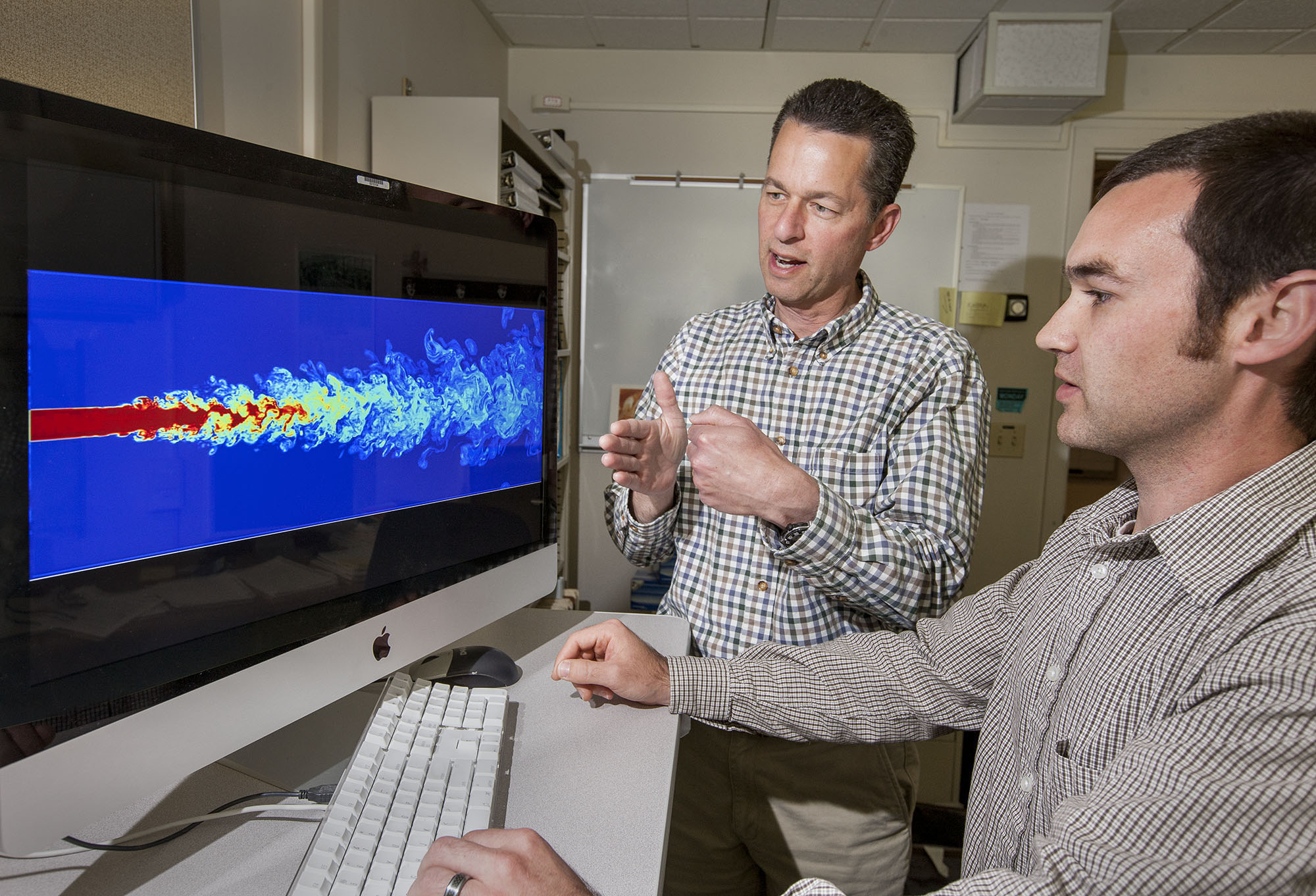
Researchers Recreate Planetary Turbulence in Laboratory Experiment
Scientists have successfully recreated an extreme, long-theorized form of planetary and stellar turbulence in a desktop-sized laboratory setting...

Iapetus Moon Visible Near Saturn on Thursday, October 22
Shining at 11th magnitude on October 22, Saturn’s two-toned moon Iapetus is currently passing south of the ringed...

Researchers Find Rock from Papua New Guinea Reveals Unexpected Temperature Reversal
An international research team analyzing a rare metamorphic rock from Papua New Guinea has discovered that tectonic plates...