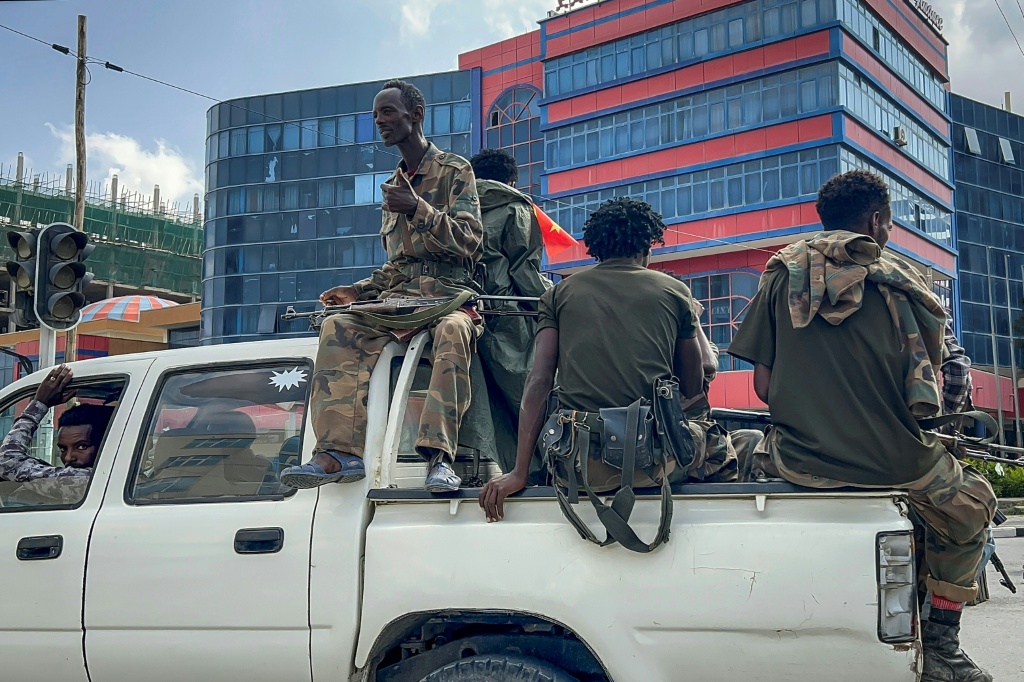
Pro-government forces regained control of Mekelle, the capital of Ethiopia’s Tigray region, on October 4, 2026, following a major offensive that began in September. The Tigray People’s Liberation Front (TPLF) confirmed its withdrawal from the city, while international observers warn the escalating conflict risks regional destabilization.
This latest round of fighting involves a broader set of actors than the previous civil war that concluded in 2022. While the city remains under government control, residents report a tense atmosphere as shops stay shuttered and security personnel patrol key sites, including the university and the Tigray Martyrs Memorial Monument, which commemorates the TPLF’s 16-year struggle against the Marxist-Leninist Derg government.
TPLF Retreats from Capital to Avoid Civilian Harm
The TPLF, which led Ethiopia from 1991 until Prime Minister Abiy Ahmed’s rise to power in 2018, announced it had retreated from the capital to avoid civilian harm. In a statement, the group confirmed that the regional administration would temporarily moved out of Mekelle and operate from somewhere else
.
The transition has been marked by caution rather than celebration. The TPF’s Public and Military Relations Department
has been broadcasting a loop of messages across the city, urging residents to remain calm, united, and to avoid seeking revenge for past disagreements. Business owners have been observed hiding their remaining stocks, while the city’s residents largely avoid the federal soldiers currently guarding municipal infrastructure.
The Conflict’s Regional Dimensions
As the military situation shifts, diplomatic tensions are rising across the Horn of Africa. Ethiopia recently severed diplomatic ties with Eritrea, accusing it of supporting the rebel alliance. Asmara has denied these claims, as has the Sudanese government. Egypt, while currently embroiled in its own regional disputes with Ethiopia regarding the Nile River dam—which Cairo terms an existential issue
—has denied involvement in the Tigrayan crisis.
International concern is mounting regarding the potential for the conflict to expand. On Sunday, leaders from Egypt, Somalia, Sudan, and Eritrea convened to discuss the escalating crisis. Egyptian Foreign Minister Badr Abdelatty emphasized his country’s position during the talks, stating, I have to be very clear, we are not party to the domestic crisis facing Ethiopia now. It has nothing to do with us
. The United Nations has issued warnings that the deteriorating security situation is severely disrupting humanitarian efforts, calling on all sides to guarantee unhindered access to those in need.
Conflict Threatens Recovery and Suspends Flights to Mekelle
For the residents of Tigray, the return of conflict threatens to undo the fragile recovery that followed the 2020–2022 civil war, a conflict that resulted in an estimated 600,000 deaths and brought the region to the precipice of famine. The current fighting has already resulted in the suspension of flights to Mekelle by Ethiopian Airlines. The region remains split between areas controlled by the TPLF and those held by the pro-government TPF.

The ongoing conflict is dividing Tigray in two.
Abreha, Mekelle resident
Aid organizations, including UNICEF, have issued urgent calls for restraint, noting that children and families have suffered enough through previous cycles of violence. The fear of a wider regional conflict is palpable; as one resident noted, I fear seeing another Sudan
—referencing the humanitarian crisis that has engulfed that nation since April 2023.
TPLF Declares Pretoria Agreement Collapsed over Lack of Implementation
The current situation leaves several critical issues unanswered. While the Pretoria Cessation of Hostilities Agreement of November 2022 ended the immediate fighting, it did not constitute a comprehensive peace settlement. Disagreements over the status of disputed territories, the return of displaced persons, and the disarmament of forces have persisted. In July, the TPLF declared that the Pretoria Agreement had effectively collapsed due to a lack of implementation by the federal government.
More on Liberation Front
Keep reading
Estonia Increases Defense Spending to 5.4% of GDP for 2026
Estonia will spend 5.4 percent of its gross domestic product on defense, allocating €2.4 billion for 2026, as...
Lewis Hamilton Recalls Ferrari Tyre Debate After Bahrain GP in Malaysia
Lewis Hamilton secured a third-place finish at the Bahrain Grand Prix in Malaysia on October 4, 2026, after...
Global Probashi Pujos Plan Ambitious Durga Puja Events Despite Rising Costs
Global logistical cost pressures have not deterred Bengali associations in Dublin, Sweden, and New Jersey from organizing ambitious,...
UK Automotive Sector Faces EU Tariff Pressure Over Chinese Vehicles
Britain’s automotive sector faces a mounting conflict as European Union officials warn that London must impose tariffs on...