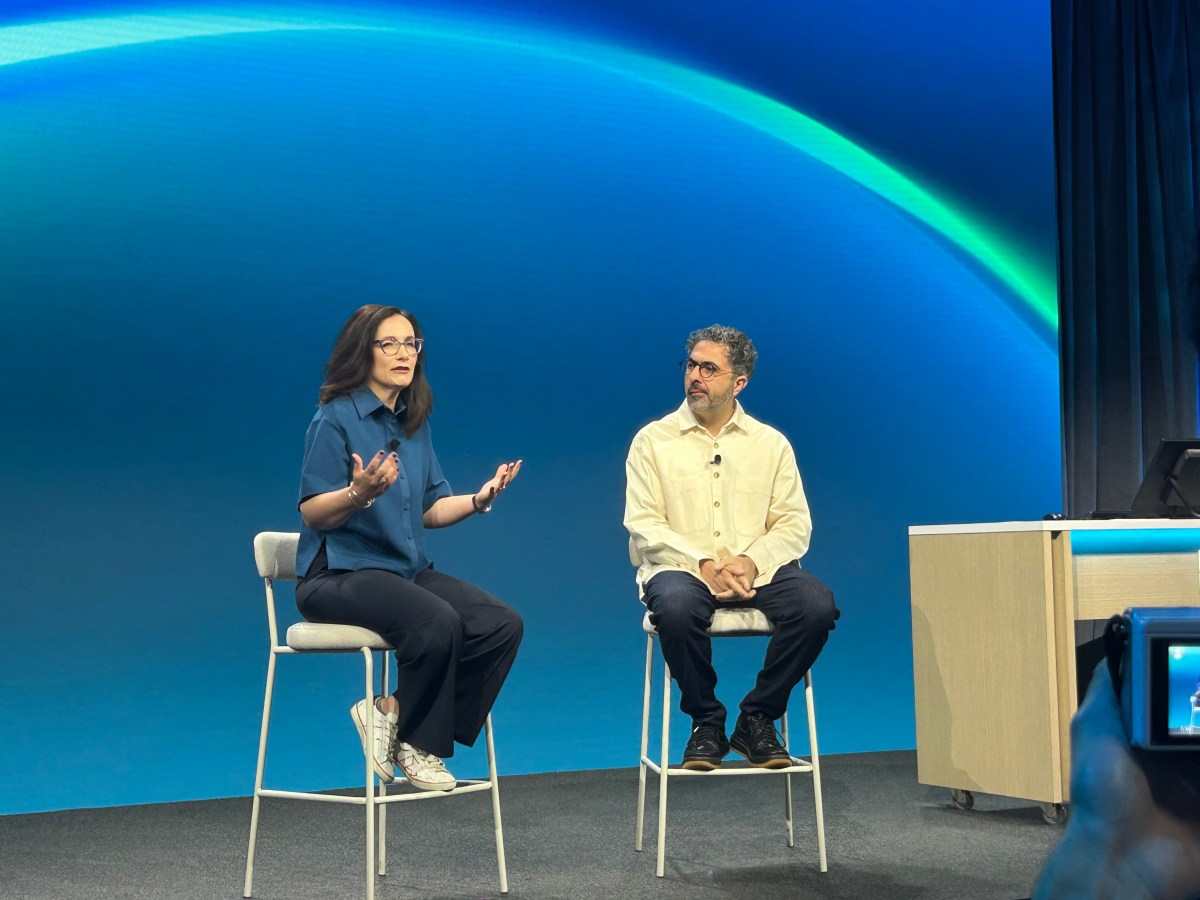
Microsoft has launched a new cybersecurity-specialized model named MAI-Cyber-1-Flash alongside an agentic cybersecurity system dubbed Project Perception, according to announcements reported by TechCrunch. The platform is designed to deploy teams of agents to assist with and automate various security workflows, including identifying and remediating bugs.
Microsoft Launches Project Perception and MAI-Cyber-1-Flash
According to TechCrunch, Mustafa Suleyman, the co-founder of DeepMind and current CEO of Microsoft AI, stated at a San Francisco event that MAI-1 Cyber Flash is bound with GPT 5.4 inside the MDASH harness. Hayete Gallot, Microsoft’s vice president for security, described Project Perception as a way for enterprise defenders to defend against AI with AI at scale. Dave Weston, the lead engineer for Perception, noted that the platform reduces hours of manual work across security organizations to minutes for fixes, detection, posture fixing, and code fixes.
Capabilities and Smart Orchestration of Project Perception
Project Perception coordinates specialized AI agents across defensive operations, performing red-team simulations, blue-team detection and triage of existing bugs, and green-team corrective actions, as reported by Ars Technica and TechCrunch. Rather than relying on one large general-purpose model for every assignment, Project Perception selects between Microsoft’s specialized technology and more powerful frontier models based on task complexity, urgency, and cost, according to Linkedin and Ars Technica.

As detailed by Uctoday, the system orchestrates more than 100 specialized AI agents that prepare codebases for analysis, identify potential vulnerabilities, validate findings, remove duplicate results, and attempt to prove whether a vulnerability is genuinely exploitable. Ars Technica noted that Project Perception is designed to perform 90 percent of tasks for lower costs than competing platforms, allowing customers to use expensive alternatives for the remaining 10 percent.
MAI-Cyber-1-Flash and Benchmark Performance
MAI-Cyber-1-Flash is a compact, code-focused security model derived from Microsoft’s MAI-Thinking-1 platform, built to find challenging vulnerabilities in complex codebases, according to Linkedin and TechCrunch. Microsoft integrated the model into MDASH, a multi-model vulnerability-research system announced in May that coordinates more than 100 AI agents to conduct source-code analysis, vulnerability validation, and fix production, per Linkedin.

Microsoft reported that the updated MDASH configuration achieved a 96 percent score on CyberGym, a standard benchmark test based on real open-source vulnerabilities, according to Linkedin and Ars Technica. Uctoday reported a score of 96.55%. Ars Technica stated this rating is 12 points higher than Anthropic’s Mythos and beats Google Gemini and OpenAI GPT. However, Linkedin noted that because this performance reflects an orchestrated system combining multiple models and agents, it should not be interpreted as a direct demonstration that the compact model is independently superior to every competing frontier system.
Market Context and Launch Details
The tools enter an increasingly crowded field of AI cybersecurity solutions that includes Anthropic’s Claude Mythos—released via the Project Glasswing invitation-only program or Fable 5—and OpenAI’s Daybreak program, according to TechCrunch and Uctoday. TechCrunch reported that Microsoft’s tools will be available in preview on November 3.
- iPhone 18 Pro Pre-Orders Open September 12 With A20 Pro Chip and Price Hikes
- Anthropic CEO Calls for AI Slowdown, Backed by Altman and Musk
- Security Flaw in Georgia Voting Equipment Threatens Ballot Secrecy (world-today-news.com)
- Microsoft and US Teacher Unions Agree on AI Safety and Privacy Standards (archyde.com)

iPhone 18 Pro Pre-Orders Open September 12 With A20 Pro Chip and Price Hikes
Apple's latest flagship lineup arrives with a familiar sting for buyers.

Anthropic CEO Calls for AI Slowdown, Backed by Altman and Musk
Anthropic Chief Executive Officer Dario Amodei has called on artificial intelligence firms to slow the development of the...

TCL Unveils P80 NXTPAPER AMOLED Phones and X11L TV at IFA 2026
At IFA 2026 in Berlin, TCL unveiled a massive hardware showcase featuring the P80 series of NXTPAPER AMOLED...