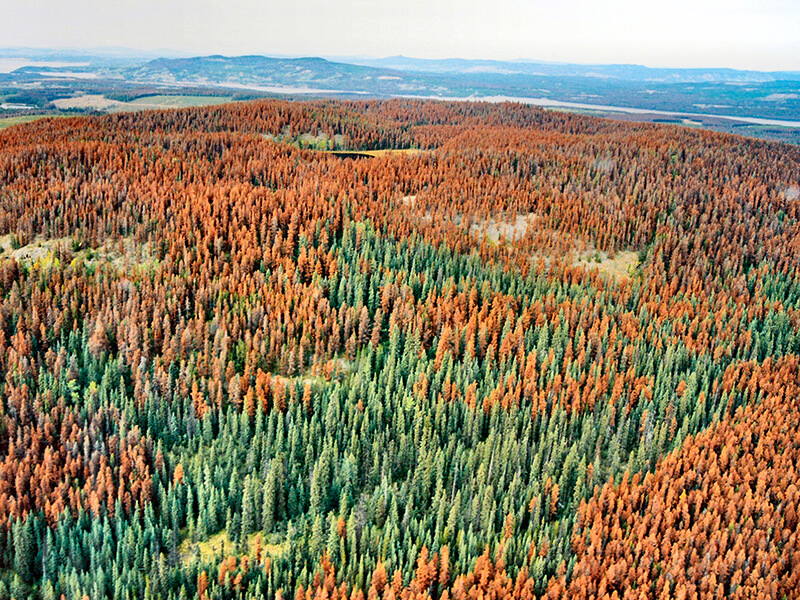
Rising global temperatures and shifting rainfall patterns could amplify tree pests and diseases across more than 80 per cent of North American forests within decades, according to a study published in Nature Ecology & Evolution. The research indicates that insects present the most immediate threat. More than 60 per cent of the examined areas are projected to experience 30 per cent more insect pressure by mid-century.
Pest Pressure and Forest Vulnerability
Species like the spongy moth are already causing heavy damage in Canadian forests and could expand significantly across eastern North America over the coming decades. Dr. Zihui Wang, a researcher in the Department of Botany at the University of British Columbia, explained the physiological mechanisms driving this vulnerability.
Wang noted that warm winters help overwintering pests survive in place, while concurrent heat and drought place additional stress on forest canopies. Stressed trees become far more susceptible to insect outbreaks and fungal pathogens.
The Intersection of Wildfires and Smoke Hours
Weakened and dry trees do not merely attract pests; they also create tinderbox conditions that intensify wildfire risks. Wang pointed out that dry wood provides a prime opportunity for fires, establishing a direct link between pest infestations, timber mortality, and blazes.
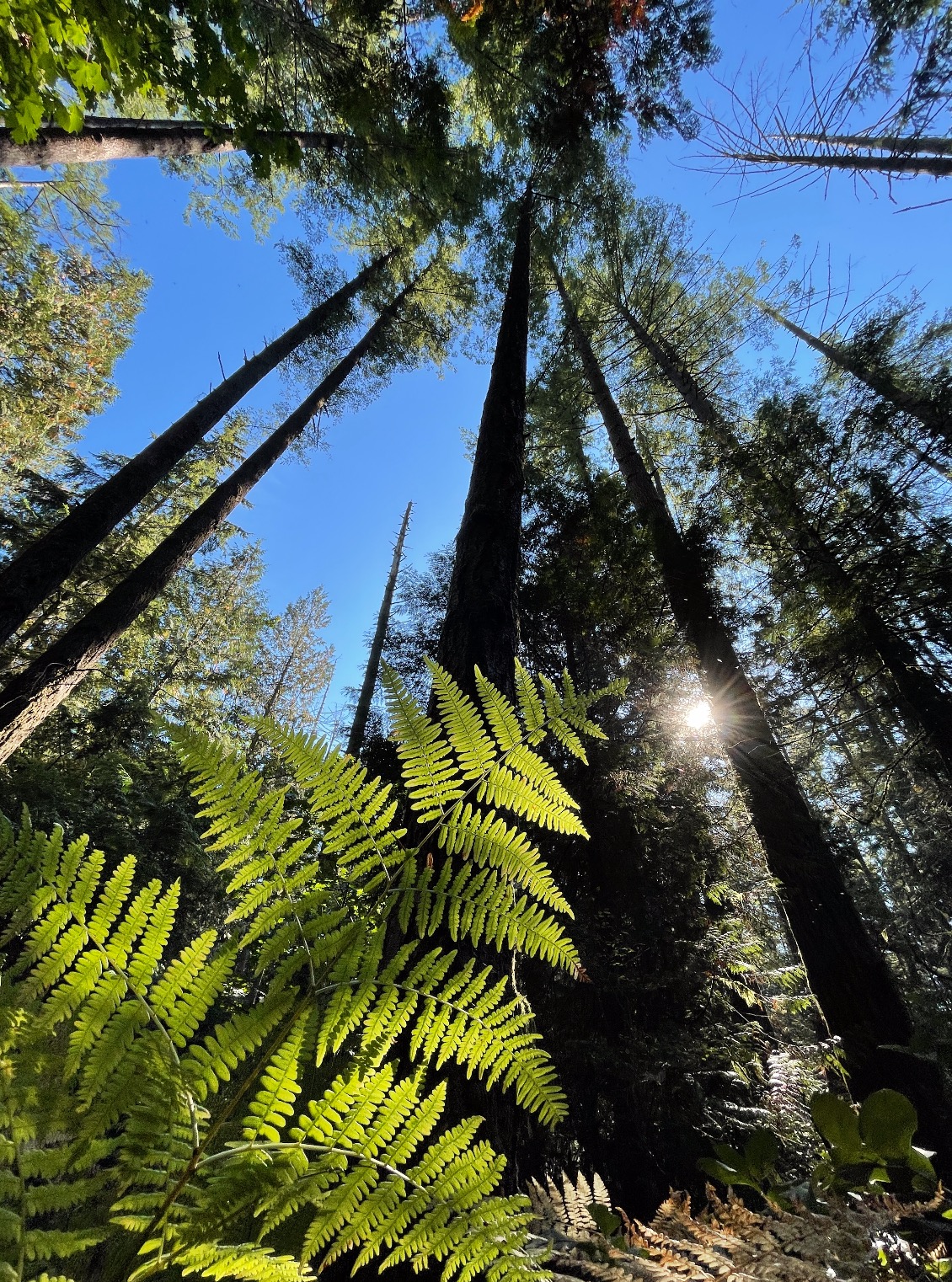
An increase in wildfire activity reliably translates into heavier smoke, which degrades regional air quality. Terri Lang, a meteorologist with Environment and Climate Change Canada, explained that the distinctive topography of British Columbia exacerbates this problem.
Environment Canada defines a smoke hour as any period when smoke reduces visibility to 10 kilometres or less.
| City | 2017 Smoke Hours | 2018 Smoke Hours | 2021 Smoke Hours | 2026 Smoke Hours ( YTD ) |
|---|---|---|---|---|
| Penticton | 354 | 376 | — | 302 |
| Kamloops | 449 | — | 541 | 305 |
While daytime temperatures often help lift smoke and temporarily improve visibility, shifting wind patterns can spread wildfire smoke over vast distances and intensify fire behaviour.
Redefining Forest Management
The compounding pressures of disease, insects, and fire mean that historical approaches to conservation are no longer viable. Dr. Jonathan Davies, the senior author of the research, emphasized that rapid ecological transformation is already underway.
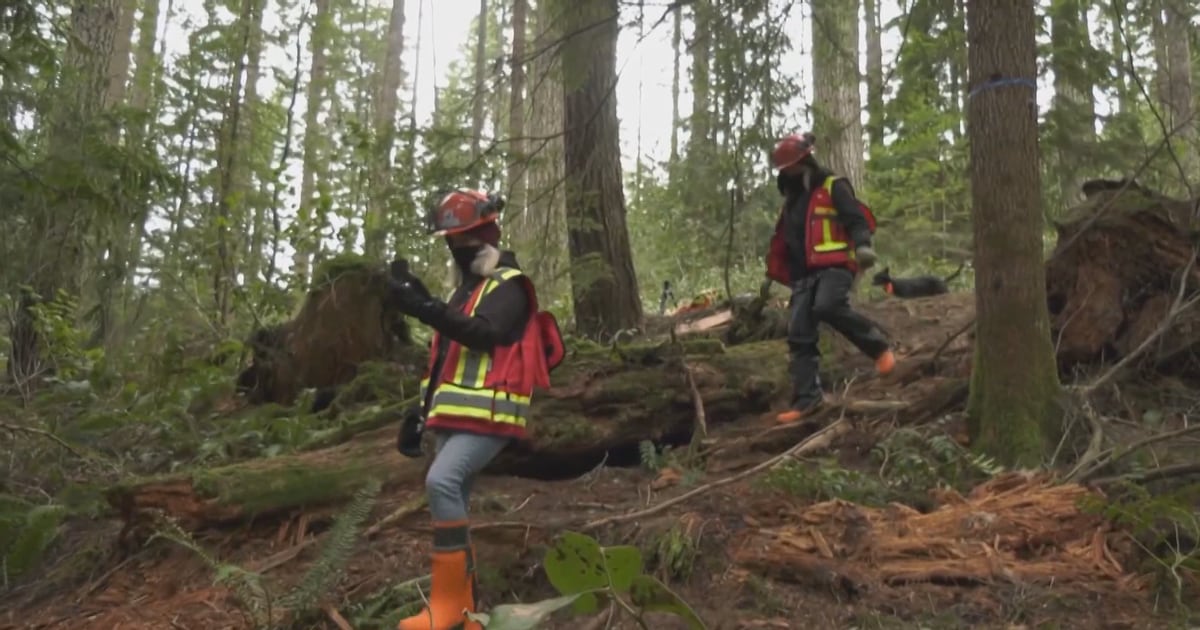
This ongoing shift threatens critical carbon sinks, local air quality, and the broader forestry economy. Experts suggest that while no single remedy exists to reverse these trends, adaptive management can help mitigate future damage.
Wang noted that forest managers can monitor high-risk areas more closely and make intervention decisions earlier to protect vulnerable stands before outbreaks overwhelm them.
Related reading
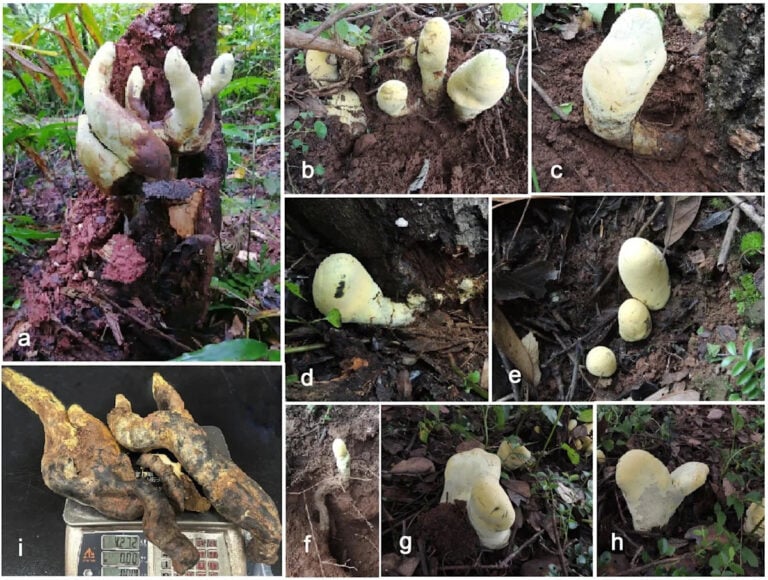
Researchers in southwestern China discovered a nearly 5-pound fungus so unique it required a new family
Researchers in southwestern China have discovered a towering new fungus species, Dianjunus rex, that grows up to 50...
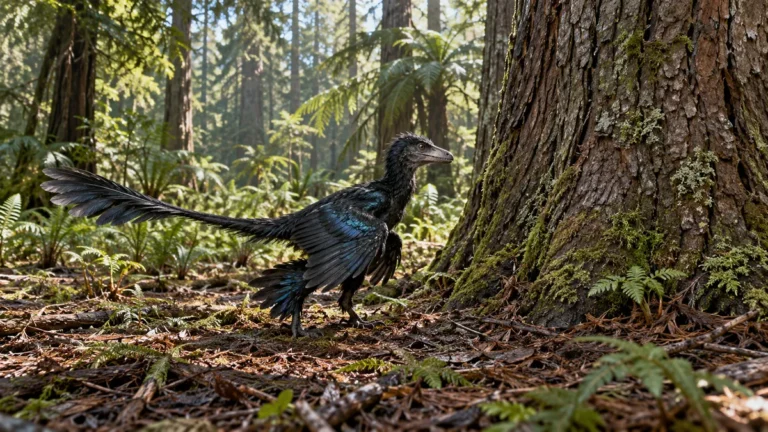
Microraptor was a very small, feathered dinosaur with wings on its legs as well as its arms
Discovered in northeastern China, Microraptor is a diminutive, feathered dinosaur renowned for its four wings and shimmering plumage,...

SpaceX Launches Starfall Return Capsule for Second Time
SpaceX launched the uncrewed Starfall reentry capsule for the second time on October 20, 2026, from Cape Canaveral...

Orionid Meteor Shower Peaks October 21-22, 2026
The annual Orionid meteor shower reaches its peak during the pre-dawn hours of October 21-22, 2026.