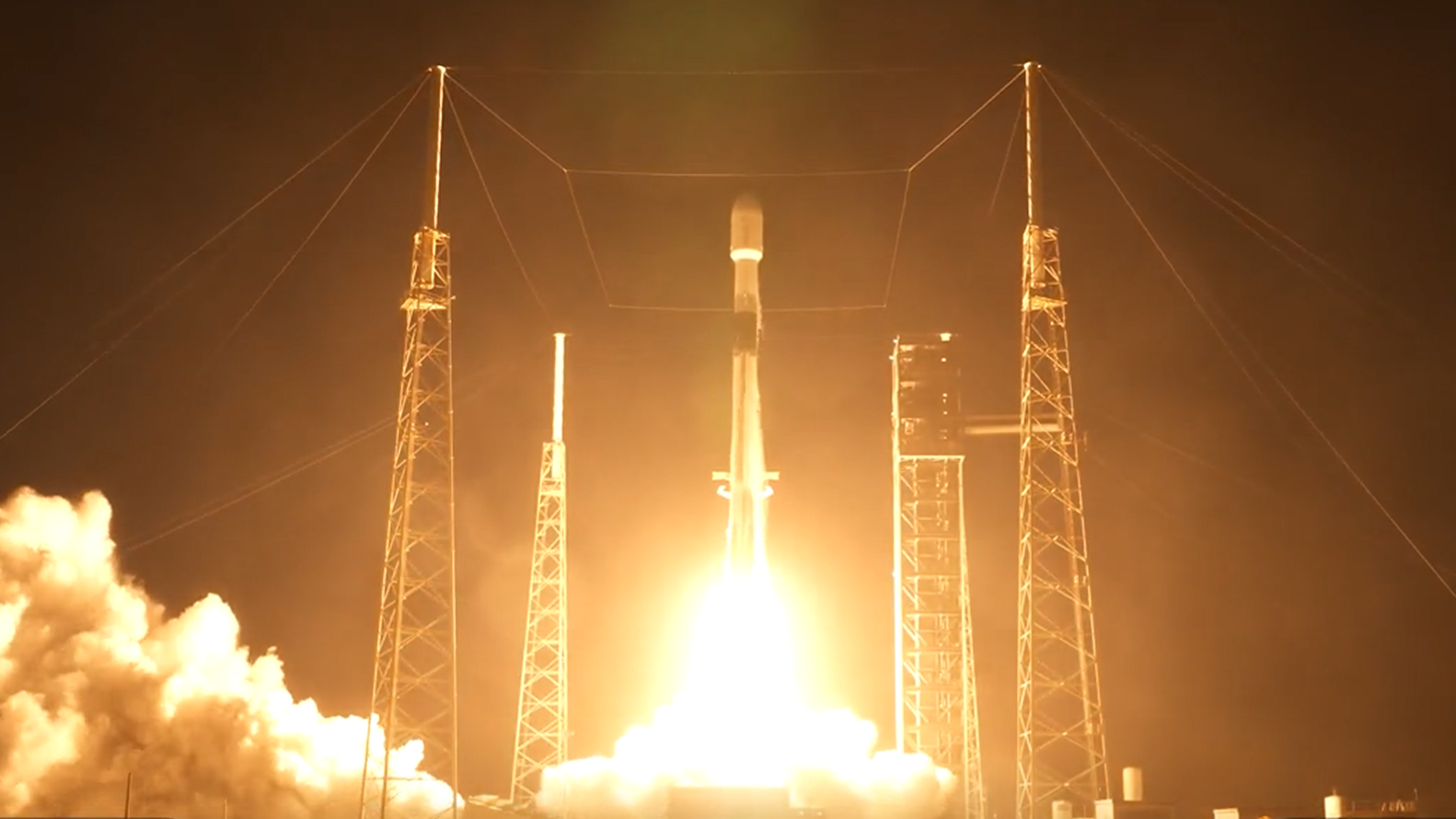
SpaceX launched the uncrewed Starfall reentry capsule for the second time on October 20, 2026, from Cape Canaveral Space Force Station. The flight, part of the Bandwagon-5 mission, pushes the company toward making microgravity access a routine commercial service.
SpaceX launched its disk-shaped Starfall return capsule on October 20, 2026, marking the second flight for the uncrewed vehicle. It lifted off at 7:04 a.m. EDT from Cape Canaveral Space Force Station in Florida, sharing the Bandwagon-5 rideshare mission with 31 other payloads.
Starfall Deploys on Bandwagon-5
Starfall sat at the very top of the payload stack. It was the final object to deploy from the Falcon 9 upper stage nearly three hours after liftoff.
Today’s mission includes a demo of a new vehicle that will enable affordable, routine access to the microgravity environment for scientific research and in-space manufacturing. After demonstrating controlled flight, the spacecraft will splash down in the Pacific Ocean pic.twitter.com/NLwhigtSWC
Regulatory filings and company posts outline a specific industrial purpose for the capsule. According to an environmental assessment published by the U.S. Federal Aviation Administration, Starfall measures approximately 2.5 feet tall and 10.2 feet wide, with a dry mass of roughly 4,600 pounds. The vehicle can bring back 2,200 pounds of return cargo.
will enable affordable, routine access to the microgravity environment for scientific research and in-space manufacturing.
SpaceX, via X post
Varda Space Industries’ latest orbital mini-factory, W-Series 7, and Pelican-12, an Earth-observation satellite built by Planet, shared the flight. The Falcon 9 first stage returned to Earth nine minutes after launch, landing on the drone ship A Shortfall of Gravitas
for its 19th mission.
Scaling Reentry Logistics
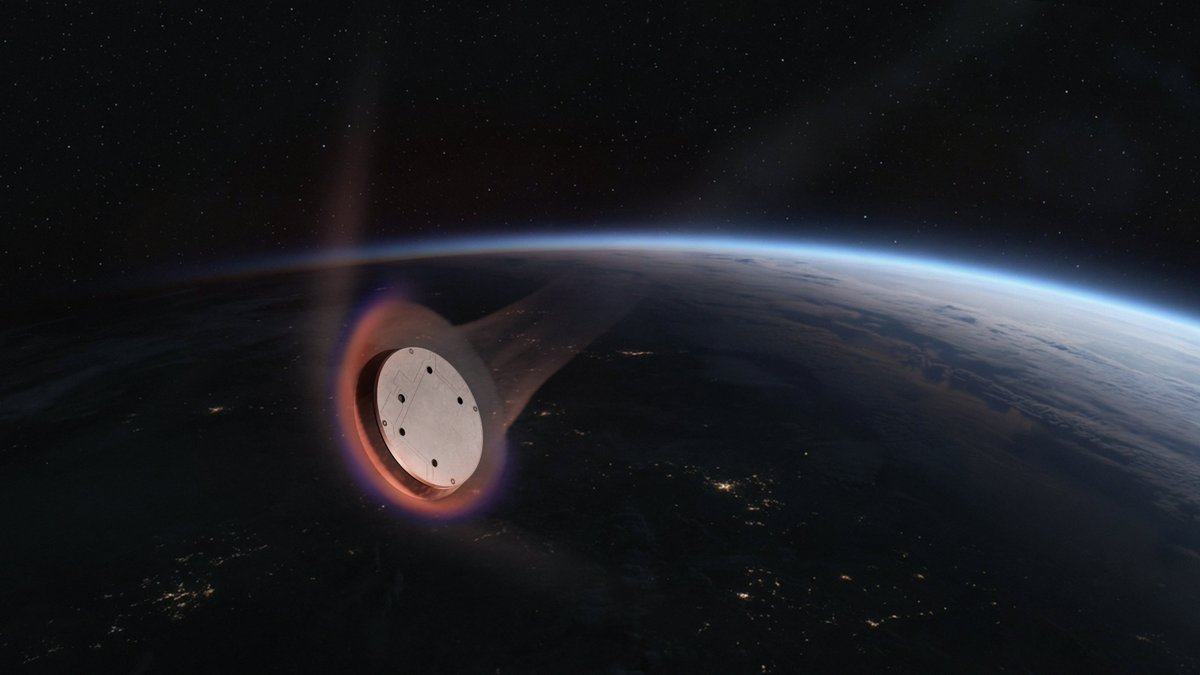
SpaceX designed Starfall to treat microgravity logistics like freight transport. The capsule features a 1,400-kilogram aluminum top plate paired with a 700-kilogram carbon-fiber heat shield. It relies on nitrogen cold-gas thrusters for attitude control during descent, ultimately splashing down in the ocean under parachutes.
The targeted commercial applications focus on goods that are difficult or impossible to make efficiently on Earth. Primary targets for the service include defect-free semiconductors, higher-purity fiber optics, and uniform pharmaceutical crystals.
Starfall enables affordable, routine access to a microgravity environment, providing unique opportunities for on-orbit manufacturing, scientific research, and testing pic.twitter.com/y8kJg3QDor
FAA Approvals and Flight Timeline
In May, the FAA issued an environmental assessment and record of decision approving two initial test flights. These approvals designated splashdown zones roughly 1,300 kilometers off the coasts of California and Mexico.
- May 2026: The FAA approved two initial test flights and designated ocean splashdown zones.
- June 23, 2026: Starfall completed its dedicated demonstration mission launching from Space Launch Complex 40 at Cape Canaveral.
- October 20, 2026: Starfall flew its second demonstration on the Bandwagon-5 rideshare mission.
A contract with Space Cargo already references a commercial launch date for 2028 using Starship as the carrier vehicle. It is not yet known if manufacturers can develop cost-effective orbital processes or if SpaceX can successfully drive per-flight costs lower using its larger rocket architecture.
Related reading
Orionid Meteor Shower Peaks October 21-22, 2026
The annual Orionid meteor shower reaches its peak during the pre-dawn hours of October 21-22, 2026.
Researchers Validate Space-Based Methane Detection
Researchers have completed the largest controlled test of space-based methane monitoring, publishing results in October 2026 showing that...

Voyager Probes Approach One Light-Day Distance After Decades
Nearly half a century after launching to explore the outer solar system, the Voyager probes are still operating...
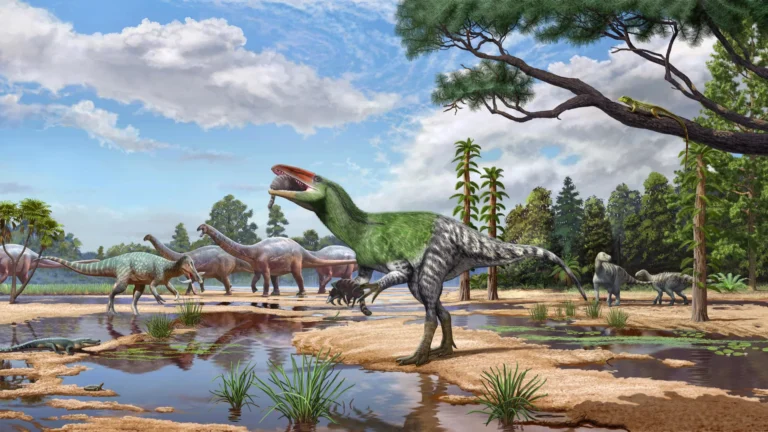
Natural History Museum Uncovers New Dinosaur Species in Century-Old Fossil
Researchers have identified Europe’s first megaraptoran dinosaur, named Invictibellatrix amberina, from a fossil skull fragment acquired by London’s...