Fourth Fatality Confirmed in Upper East Side Legionnaires’ Cluster
New York City health officials confirmed a fourth death tied to a Legionnaires’ disease outbreak on Manhattan’s Upper East Side. Despite the rising death toll, authorities believe the source of the bacteria has been neutralized, noting a sustained decline in new cases across the affected ZIP codes since July 8. The fourth death was reported one day after the third fatal case was confirmed, marking the fourth consecutive day a death had been reported.
Outbreak Status and Public Health Response
As of Monday evening, the investigation into the Legionnaires’ cluster on the Upper East Side has resulted in 76 confirmed cases. While the city has reported four deaths, officials maintain that the risk of further infection is receding. New York City Health Department data shows that case numbers peaked early in the investigation; from July 2 through July 8, the health department confirmed an average of more than eight new cases per day. That figure dropped to an average of fewer than one new case per day between July 10 and July 17. As of July 19, nine people remained hospitalized, while 50 had been discharged.
Mayor Zohran Mamdani addressed the community, emphasizing that while the loss of life is tragic, the environmental source of the bacteria is likely contained. We believe we have now eliminated the source of exposure. Regardless, we will continue to inspect cooling towers and aggressively enforce health laws,
Mayor Mamdani said. I’m heartbroken by the loss of my fellow New Yorkers and send my deepest condolences to their loved ones.
NYC Health Department Orders Remediation for 76 Cooling Towers
Remediation of Cooling Tower Systems
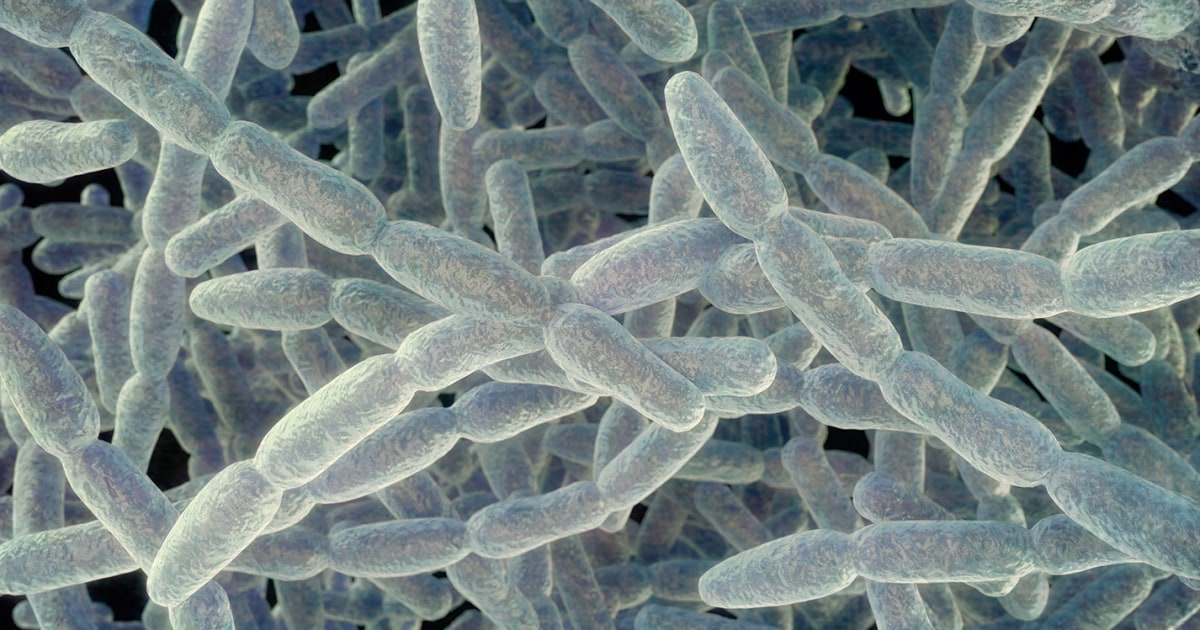
The investigation has centered on the maintenance of cooling towers, which are critical components of large-scale air conditioning systems. These towers can harbor Legionella bacteria when water becomes warm and stagnant. In a shift from previous protocols, the New York City Health Department ordered 76 buildings with cooling towers that returned positive initial polymerase chain reaction (PCR) screening results on July 14 to clean and disinfect their systems. By July 16, all 76 buildings confirmed they had completed the required remediation.
According to the NYC health department, this was the first time the city has taken this approach. In previous community cluster investigations, buildings with positive PCR results were initially required to boost chemical disinfectant levels while awaiting confirmatory culture testing, a process that can take up to two weeks. Full cleaning and disinfection was generally required only after a positive culture result. Additionally, the city has reminded cooling tower operators across the city of their summertime requirement to increase the use of biocides that kill Legionella bacteria. Dr. Alister F. Martin, NYC health commissioner, stated, Our aggressive strategy of testing, enforcement, and remediation appears to have stopped the source of exposure.
For more on this story, see NYC Health Department investigates Legionnaires outbreak in Upper East Side.
Medical Surveillance in ZIP Codes 10028, 10075, and 10128
Impact on Affected Neighborhoods
The cluster has primarily impacted residents in ZIP codes 10028, 10075, and 10128. Health officials have advised anyone who has spent time in those three ZIP codes to seek medical attention if they develop flu-like symptoms. Because symptoms of Legionnaires’ disease can appear up to 14 days after exposure, the city expects the current count of cases could fluctuate as investigations continue. The health department is also monitoring hospital emergency department data to identify potential cases before they are formally diagnosed, noting that they are not currently seeing concerning trends in that data.
The human toll of the outbreak has drawn sharp focus to the suddenness of the illness. Ronald Katter, an attorney for one of the victims—an 88-year-old man—described the rapid onset of symptoms: It wasn’t as if he has an acute illness that he was suffering for. He was sitting in his apartment by an open window and reading a magazine, and when she came home, he had a 104-degree fever.
CDC Data and Previous Harlem Outbreak Statistics
Safety Guidance for Residents
Despite the severity of the outbreak, Mayor Mamdani has sought to prevent public panic regarding domestic water use. I want to reassure New Yorkers they can use tap water, bathe, shower and cook and use air conditioners at home,
the mayor said. The health department continues to provide updates on its website. Residents concerned about their health or potential exposure should consult with qualified medical professionals.
Comparison to Prior Outbreaks
According to the U.S. Centers for Disease Control and Prevention, while Legionnaires’ disease is treatable with antibiotics, approximately 10% of those who contract the illness will die due to complications. Dr. Alister F. Martin, New York City Health Commissioner, reiterated that the department will continue inspecting every cooling tower that tested positive and will hold accountable any owner who fails to comply with public health laws.
Worth a look
Researchers launch Ebola vaccine trial in Uganda
Researchers in Uganda launched a Phase I clinical trial of the ChAdOx1 BDBV vaccine candidate in Masaka City...
CDC Reports Third US Measles Death in 2026
The Centers for Disease Control and Prevention confirmed its third measles death of 2026 on October 20, as...

Adeno-Associated Virus Gene Therapy Targets Hydrocephalus
Researchers at the University of Cincinnati and UC Davis have demonstrated a preclinical proof-of-concept for an experimental gene...