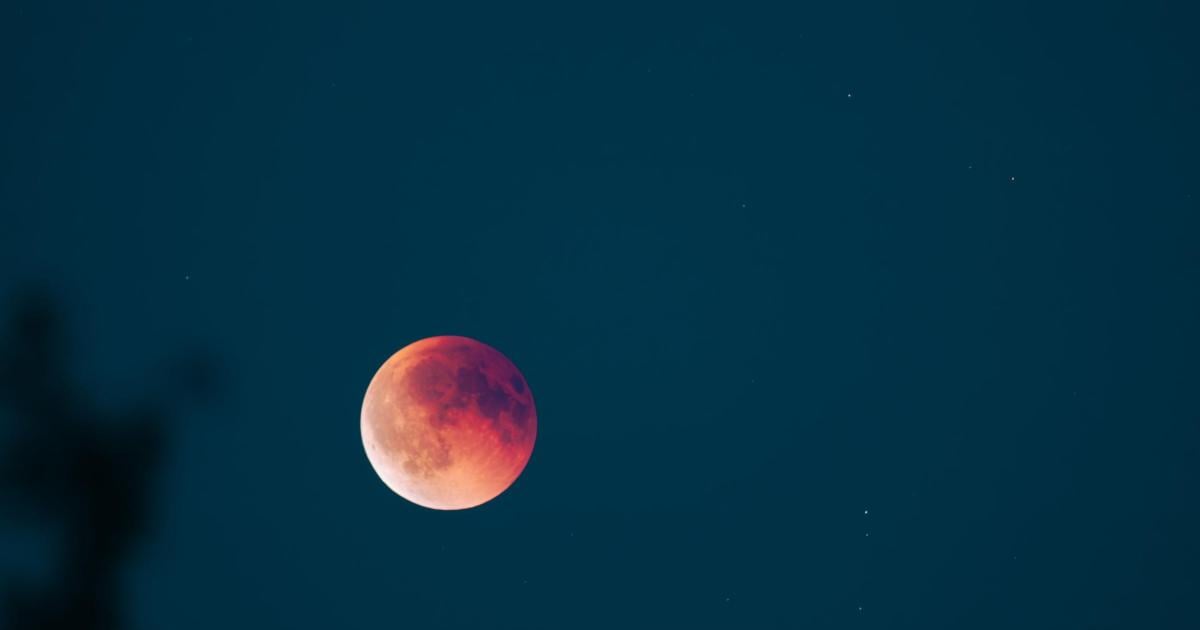
North American stargazers and early-rising British observers can view a rare partial lunar eclipse in the early hours of Friday, August 28, 2026.
Celestial Mechanics: Why the Sun and Moon Align Twice
The timing of the upcoming lunar eclipse is not a coincidence. A solar eclipse always occurs about two weeks before or after a lunar eclipse as the Earth, Moon and Sun align.
A solar eclipse occurs when the Earth, Moon and Sun align, with the Moon passing in front of the Sun and blocking its light to cast a small shadow on Earth. Due to the relatively small size of the shadow, only the handful of countries that fall within the path of the eclipse are able to experience it. There are a few different types of solar eclipse: total, annular, hybrid and partial, with the type visible depending on how much of the Sun is covered from a specific location and how close the Moon is to Earth. A total eclipse occurs when the Sun is fully covered by the Moon, tracking along an eclipse’s path of totality
where viewers are fully in the Moon’s shadow. For the August 12 eclipse, the path of totality falls over parts of Greenland, Iceland and Spain.
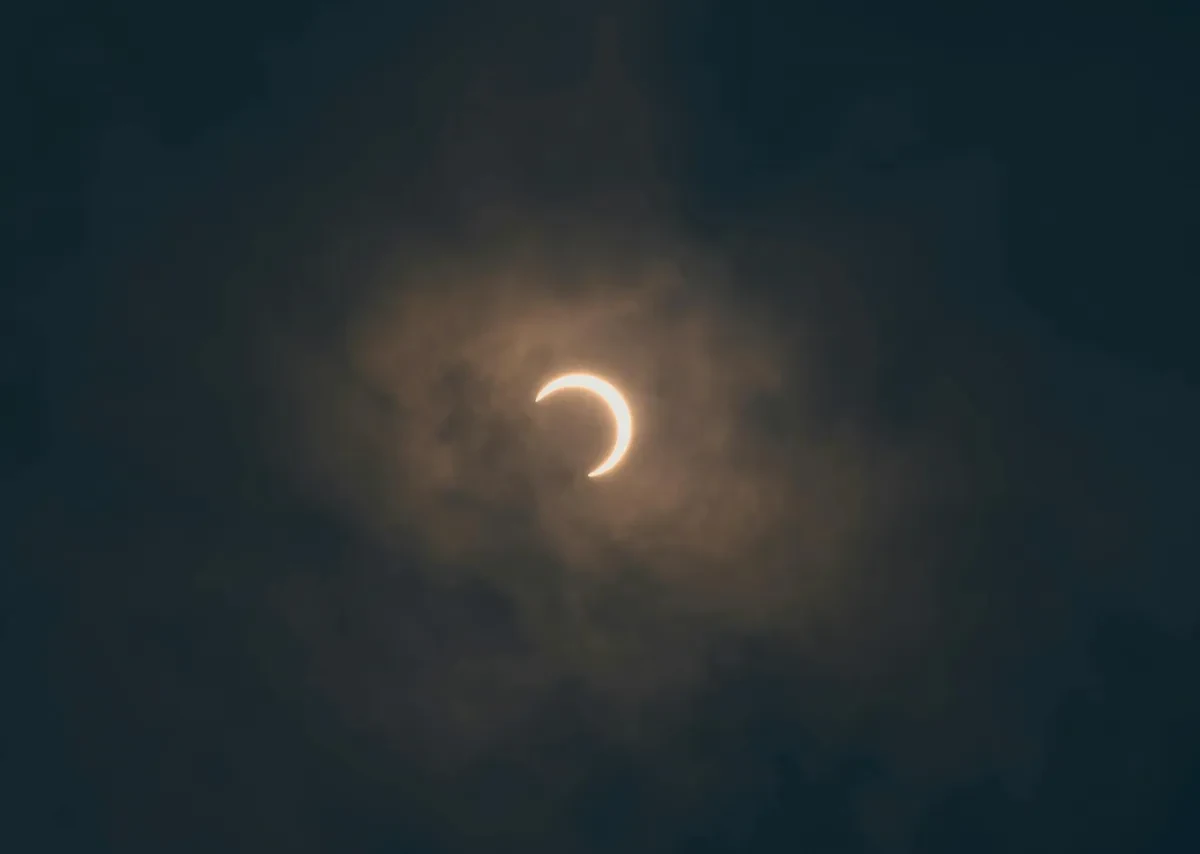
From the UK and Ireland, observers see a partial eclipse where a portion of the Sun is covered by the Moon. For the recent August event, it was a particularly large portion at 90 per cent, making this as close to a total eclipse as has been seen in almost 27 years from the British Isles. That solar event marked the most significant of its kind above UK skies since the total solar eclipse of 1999. Crowds gathered at beauty spots across Essex and the rest of the UK to view the partial solar eclipse this month, utilizing special glasses, homemade viewers, and cameras to capture the moment.
The new Moon and the Sun gradually move closer together in the sky in the late afternoon. As the side facing Earth is dark, the Moon is invisible without specialist equipment. From London, “first contact” occurs at 6.17pm when the Moon first covers part of the disk of the Sun, though timings vary slightly from other parts of the UK and Ireland. The Moon moves slowly in front of the Sun until roughly 90 per cent of the Sun is covered at the eclipse’s maximum at 7.12pm from London. At the maximum, enough of the Sun is covered to make a noticeable difference in the temperature and light levels, though unlike a total eclipse, the sky does not become dark and instead feels more like a cloudy day or close to dusk or dawn. After the maximum, the Moon slowly moves off the Sun’s disk until the eclipse ends at 8.06pm from London. Because the partial solar eclipse takes place as the Sun is setting, the Sun and Moon become increasingly low on the horizon as the eclipse goes on, meaning getting to a high point with a clear view of the western horizon allows viewers to see the whole event.
Visibility and Timings for the August 2026 Lunar Eclipse
While North American stargazers can catch the lunar event on the night of August 27, people in Britain must wake up during the early hours of Friday, August 28, and hope for clear skies. The celestial show will also be visible from North and South America, Africa, and other parts of Europe.
Unlike solar eclipses, where visibility percentages vary depending on location, the entire British Isles will see the same percentage of the moon in shadow. During the eclipse maximum, around 93 per cent of the moon will pass through the darkest part of Earth’s shadow, known as the umbra. This deep immersion gives the lunar surface a reddish or copper hue as sunlight passing through Earth’s atmosphere is scattered and refracted toward the lunar surface. The eclipse will also be visible over the county of Essex and much of the UK, weather permitting.
Phases of the Early Morning Lunar Event
The main phases occur at roughly the same time across the UK, though the moon’s position in the sky and the time it sets below the horizon differ depending on location.
2.23 AM: The penumbral phase begins as the moon enters the lighter part of Earth’s shadow, causing a subtle initial darkening.
3.33 AM: The partial phase starts when the moon moves into the umbra.
5.12 AM: The eclipse reaches its maximum, with nearly all of the moon’s visible surface in shadow.
6.51 AM: The partial eclipse ends, though the moon will have already set below the horizon for UK observers. In London, moonset is expected at around 6.15 AM, with timings varying across the country.
Weather Dependencies and Future Astronomy Outlook
As is always the case with astronomy, observers remain at the mercy of the weather, with the possibility that clouds could obscure part or all of the eclipse. For those planning ahead for future solar alignments, the next partial solar eclipse may not happen until 2050, making the upcoming lunar eclipse and recent solar events a rare and memorable sequence of astronomical spectacles for skywatchers.
Hubble Data Points to First Potential Planet Born From Dead White Dwarf Star
Astronomers revisiting decades-old Hubble Space Telescope data have discovered an unusual chemical signature around a white dwarf star,...

Spanish Archaeologists Catalog Neanderthal Wooden Tools at Abric Romaní
Spanish archaeologists have cataloged 597 wooden remains and imprints from Neanderthal living areas at Abric Romaní, dating between...

Curiosity Rover Captures Detailed Martian Dawn Panorama
NASA’s Curiosity rover has captured its most detailed panorama of distant Martian cliffs yet, photographing wind-carved yardangs under...

£15m Spent to Clean Hoads Wood Illegal Waste Site
Roughly 39,500 tonnes of illegally dumped waste have been removed from Hoads Wood in Kent following a 15-month,...