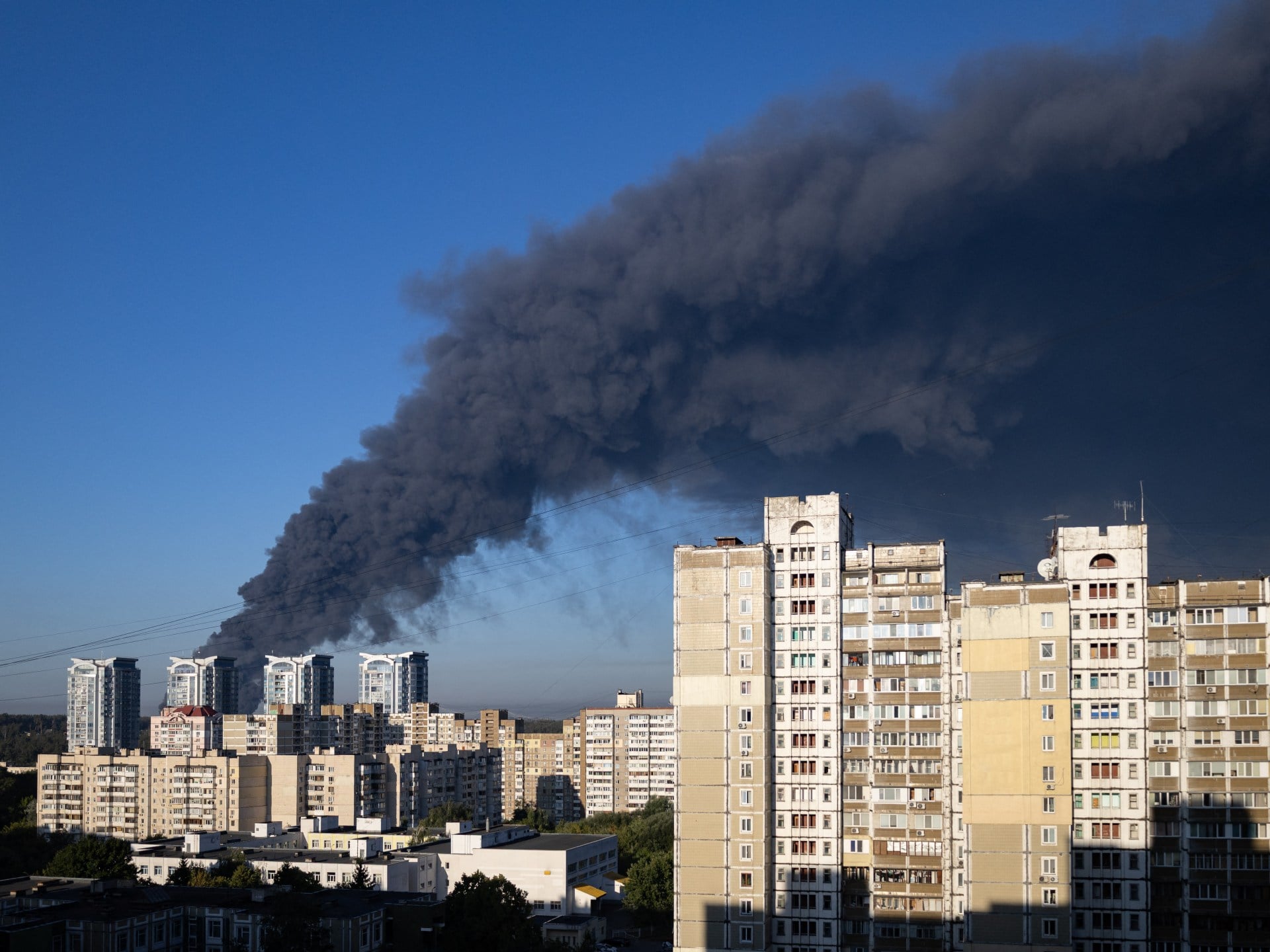
At least 37 people were killed after a Russian drone strike hit a munitions warehouse in the Bucha district near Kyiv, sparking massive secondary detonations. President Volodymyr Zelenskyy denounced the storage of explosives near civilian homes as criminal negligence, following a similar deadly incident in Vyshneve.
The Blast in Myla and the Human Toll
A devastating overnight strike on Friday, August 29, 2026, targeted a warehouse in the village of Myla, situated in the western suburbs of Kyiv. The impact triggered massive secondary explosions that devastated the surrounding Bucha district, according to regional authorities. Local regional military administration head Tymur Tkachenko reported that at least 50 residential buildings sustained severe damage in the resulting large-scale fire that spread to homes and a restaurant. Among the dead was Taras Didych, head of the Dmytrivka community, who died while attempting to rescue others.
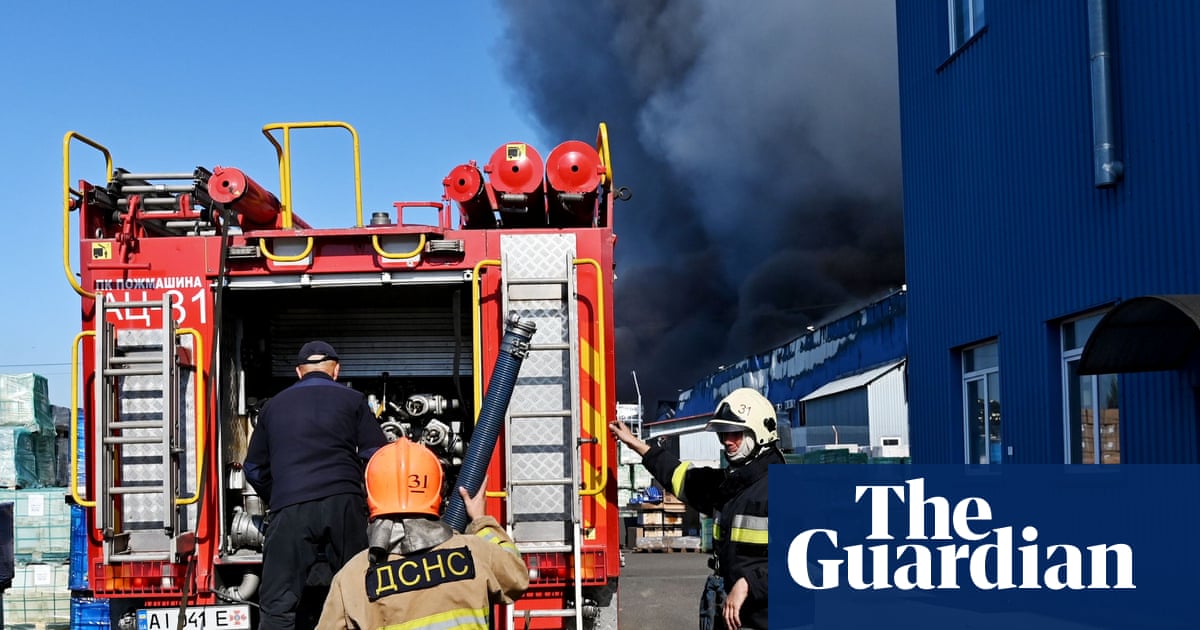
The death toll reached at least 37 fatalities, making it one of the deadliest single attacks to hit the Kyiv area this year. The destruction extended to a local care home serving elderly individuals and people with disabilities. Emergency services and rescue teams launched continuous evacuation efforts, moving more than 370 people from the immediate danger zone as flames and thick plumes of smoke enveloped the residential perimeter.
Official Backlash Over Negligent Ammunition Storage
The catastrophe has ignited severe internal criticism from top Ukrainian leadership regarding military logistics and asset placement. Ukrainian President Volodymyr Zelenskyy addressed the public, confirming that the initial strike hit a facility holding artillery shells, mines, other munitions, and drones that had no business being located in proximity to civilian housing.
Zelenskyy announced that criminal proceedings had been formally opened on charges of official negligence. Prime Minister Serhii Koretskyi drew an explicit parallel to an earlier disaster in July, when an ammunition depot strike in Vyshneve killed 22 people and wrecked neighboring houses. Koretskyi condemned the repeated safety failures in stark terms.

“Unfortunately, we can already see that the terrible tragedy in Vyshneve did not become a lesson. In the fifth year of a full-scale invasion, making the same mistakes is criminal negligence. And all those guilty, without exception, must be severely punished so that such situations do not happen again.”
Serhii Koretskyi, Ukrainian Prime Minister
Ukrainian prosecutors initiated a formal inquiry focused on the legality of storing explosive objects and materials on enterprise property, questioning whether the responsible operators held the requisite permits and approvals. Meanwhile, Russia’s Ministry of Defense asserted that its forces targeted a military logistics footprint, claiming the strike hit facilities storing components and launch boosters for long-range drones as well as parts for Flamingo cruise missiles.
Sustained Air Raids and Regional Escalation
The warehouse disaster unfolded against the backdrop of an intensive, multi-day aerial bombardment campaign across the capital region. Air raid sirens blared for a third day as the Ukrainian Air Force tracked waves of incoming missiles and high-speed drones. Capital officials reported separate civilian casualties from falling debris and morning strikes, including a two-year-old killed in Kyiv by a downed drone and a 14-year-old girl killed in the Boryspil district.
Keep reading
- Zelenskyy Criticizes Partners for Lack of Missile Strike Warnings
- Benjamin Netanyahu Denies Meeting Egyptian Intelligence Chief Despite Records
- The Maynard in Peak District hosted touring cricket teams (archyde.com)
- Russian strikes leave 600,000 Ukrainians without power despite Trump truce (newsarchyuk.com)

Zelenskyy Criticizes Partners for Lack of Missile Strike Warnings
Five Russian ballistic missiles struck Kyiv without prior intelligence alerts from international partners on Tuesday evening, prompting criticism...

Benjamin Netanyahu Denies Meeting Egyptian Intelligence Chief Despite Records
Israeli Prime Minister Benjamin Netanyahu denied meeting with former Egyptian intelligence chief Abbas Kamel during an interview on...

Saudi Energy Minister Vows Response to Houthi Airport Attacks
Riyadh’s international airport attacks killed 14 people and left skies over the Saudi capital largely empty on October...

Sudan Customs Extends Vehicle Clearance Deadline to December 3
Sudan Customs has extended the customs clearance deadline to December 3, 2026, for vehicles at ports granted exemptions...