Adult birthday celebrations are transforming into elaborate, high-cost events that jostle with weddings for a place at the pinnacle of our social calendars, driven by generational main-character energy and changing milestones. According to The Guardian, adults in their 20s, 30s, and 40s are increasingly treating their birthdays as major social milestones despite financial pressures and lower marriage and birth rates.
MikeFest unfolds annually over the August bank holiday weekend on a large leafy garden situated on the Cornish coast. The event features attendees clad in sparkliest gear carrying tents under their arms, alongside branded handheld fans, sippy cups, and masks featuring the face of the birthday boy, Michael. Now approaching his 44th birthday, Michael embraces the title of “birthdayzilla,” admitting he has guilt-tripped absent friends and barred those who miss two festivals in a row from attending future gatherings. Defending his stance to The Guardian, Michael stated that celebration feels harder to come by and getting people together requires more effort, asking, I just think: I’ve managed to build a life I like and a network of people I love, why not make a fuss about it? I don’t think expecting them to show up for me once a year is such a big ask.
The Rising Costs and Logistics of Modern Adult Birthdays
Beyond coastal festivals, birthday culture has expanded into fully catered affairs, mandatory activities, and international group holidays. Lauren, a 29-year-old resident of Edinburgh, exhausted her annual leave allowance attending eight 30th birthday celebrations in a single year, according to reporting by The Guardian. These events ranged from a murder mystery weekend at a Scottish castle and a quiz show house party to live music in Marseille and a night out featuring salsa and karaoke. It is draining my bank account, but once you say yes to one friend’s birthday it feels very loaded to say no to another,
Lauren told The Guardian, noting that the cycle compels individuals to plan their own massive events to seek payback.
This escalation frequently strains personal relationships. Lauren recounted an instance where a friendship frayed after an old schoolmate berated her for announcing a pregnancy during the designated birthday month.
Demographics and the Psychology Behind the Milestone Shift
The cultural shift toward grand birthday spectacles is deeply tied to how individuals measure personal milestones. Chudacoff observed in his 1989 book How Old Are You? that birthdays function as mirrors, allowing people to compare their status, accomplishments, and appearance against peers to see if they are ahead, on time, or behind.
Statistical trends highlight a distinct generational divide, with individuals in their 20s, 30s, and 40s treating birthdays with heightened importance as traditional life milestones become less attainable or desirable. According to Office for National Statistics (ONS) data cited by The Guardian, marriage rates in England and Wales continue to decline annually, with median ages at historic highs of 34.8 years for men and 33 for women. Concurrently, birth rates reached their lowest point since 1977 last year, and the average age of a first-time homeowner climbed to 34 amid a broader financial squeeze.
Gender Differences in Birthday Celebrations
Public perception of birthday prominence also displays a clear gender split. A YouGov poll reveals that women are twice as likely as men to view a milestone birthday as an opportunity to celebrate. Reflecting on this dynamic, Michael suggested to The Guardian that reluctance among men might stem from the outdated sense that organising a party or openly asking for what you need
—such as company on a special day—remains inherently unmasculine.
Related reading

Nicolas Winding Refn Returns to Filmmaking After Medical Emergency
Following a 2023 medical emergency in Copenhagen, director Nicolas Winding Refn returns with his new sci-fi horror feature...

Amazon Discounts All Fire TV Stick Models Ahead of Prime Big Deal Days
Ahead of its Prime Big Deal Days event in October, Amazon has discounted every model of its Fire...
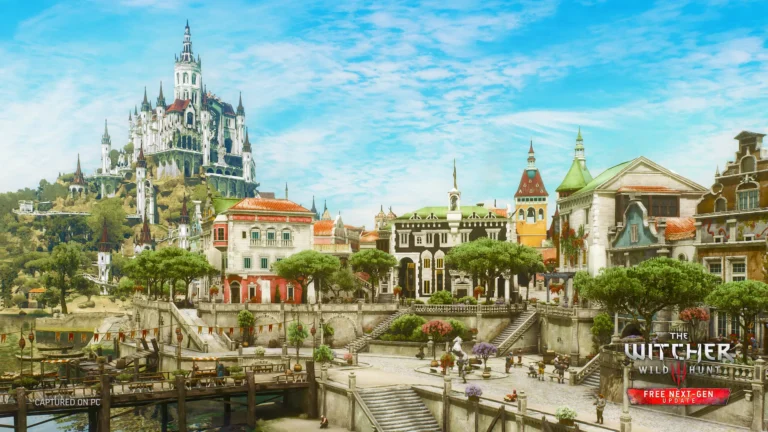
CD Projekt Red to Launch The Witcher 3 Remaster on September 29, 2026
CD Projekt Red is overhauling The Witcher 3 with a remaster launching September 29, 2026, aiming to make...
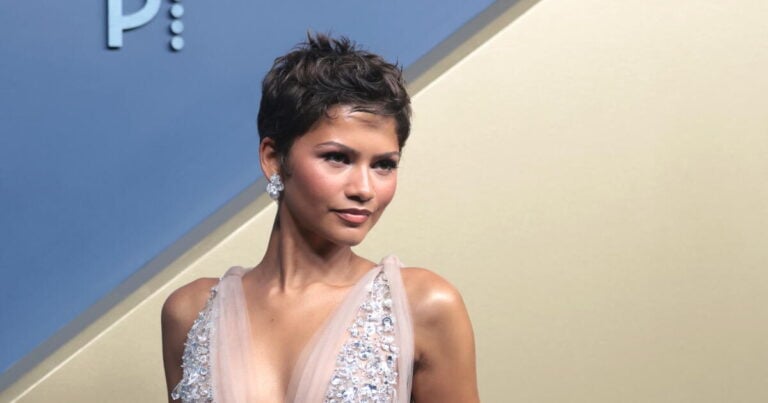
2026 Emmy Awards Feature Peacock-Blue Carpet and Mariska Hargitay Hosting
Television stars arrived at the Peacock Theater in Los Angeles for the 2026 Emmy Awards, featuring a peacock-blue...