Troponin Elevation in 20.4% of NSTE-ACS Patients

Out of 481 patients with non–ST-segment elevation acute coronary syndrome, 98 individuals—representing 20.4% of the cohort—met angiographic criteria for occlusion myocardial…
Health, medicine, biotech and the science of living longer and better.
Out of 481 patients with non–ST-segment elevation acute coronary syndrome, 98 individuals—representing 20.4% of the cohort—met angiographic criteria for occlusion myocardial…

A 22-year-old man developed severe rhabdomyolysis.
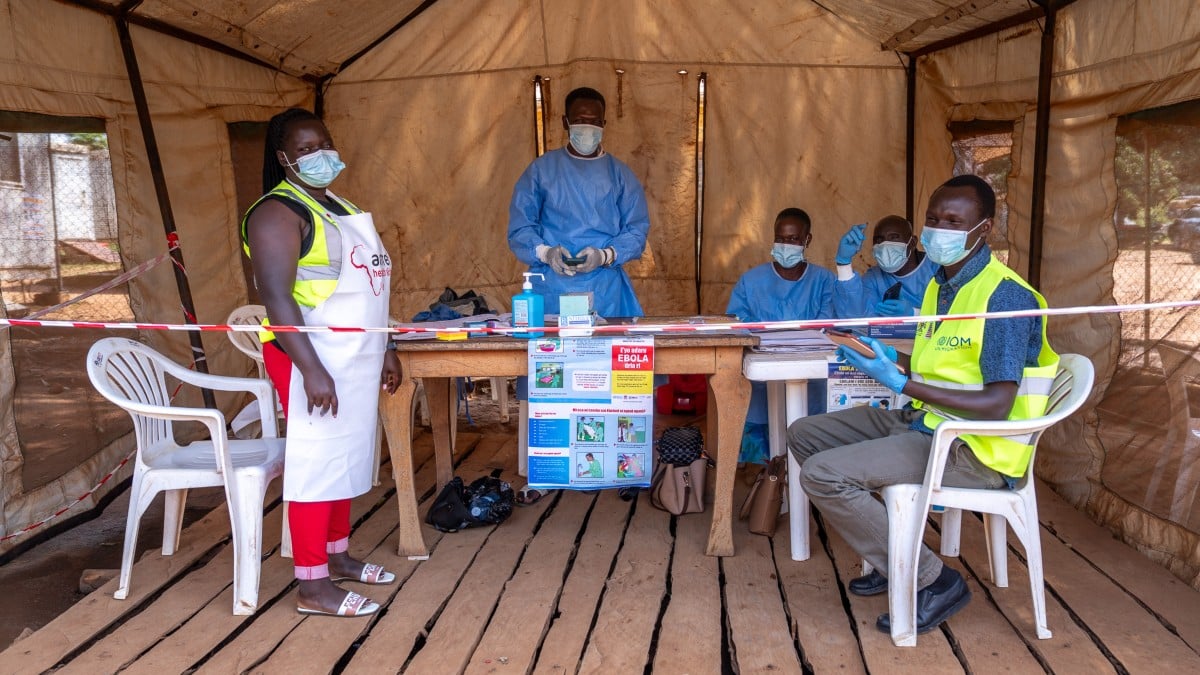
Distant macroclimatic oscillations modify continental rainfall and alter ecological conditions to create seasonal windows that trigger Ebola virus disease spillovers, according to…
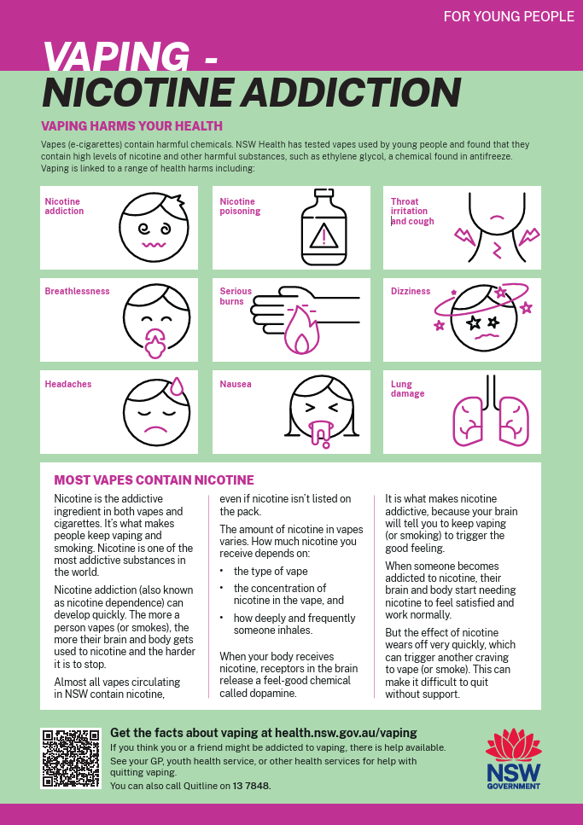
Between 2017 and 2022, high-nicotine e-cigarette use surged nearly 80 percent among young adults aged 18 to 24 in the United States, driving up daily vaping rates and matching the…

Very early-onset prosthetic valve endocarditis occurring within 48 hours of transcatheter aortic valve implantation represents an extreme diagnostic challenge.
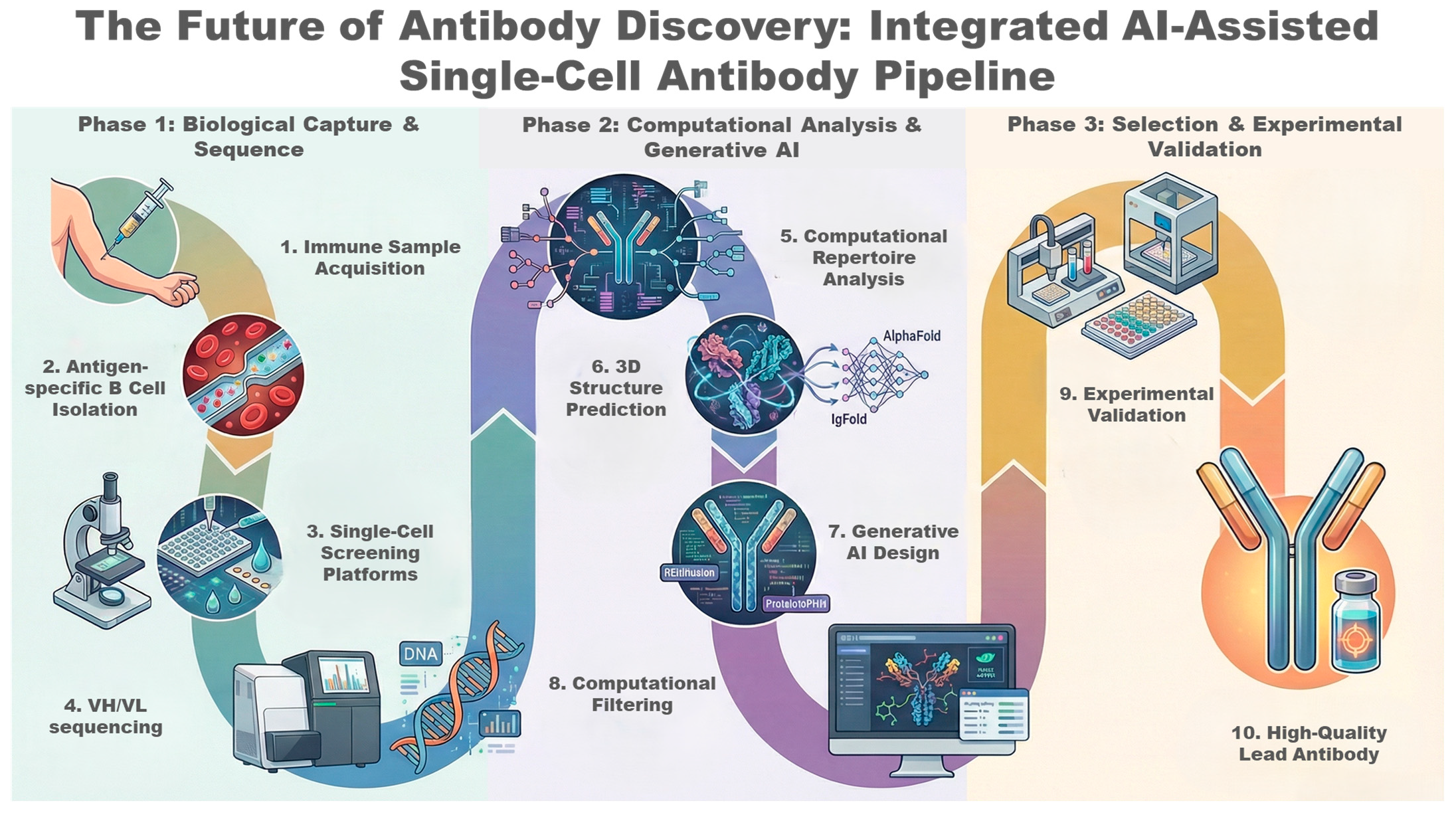
Tufts University researchers have introduced NanoMAP, a custom computational tool that uses alpaca antibodies to help scientists identify strong binding agents for pathogen…

Vertical sleeve gastrectomy significantly improves cardiac and kidney MRI markers in youth-onset type 2 diabetes.
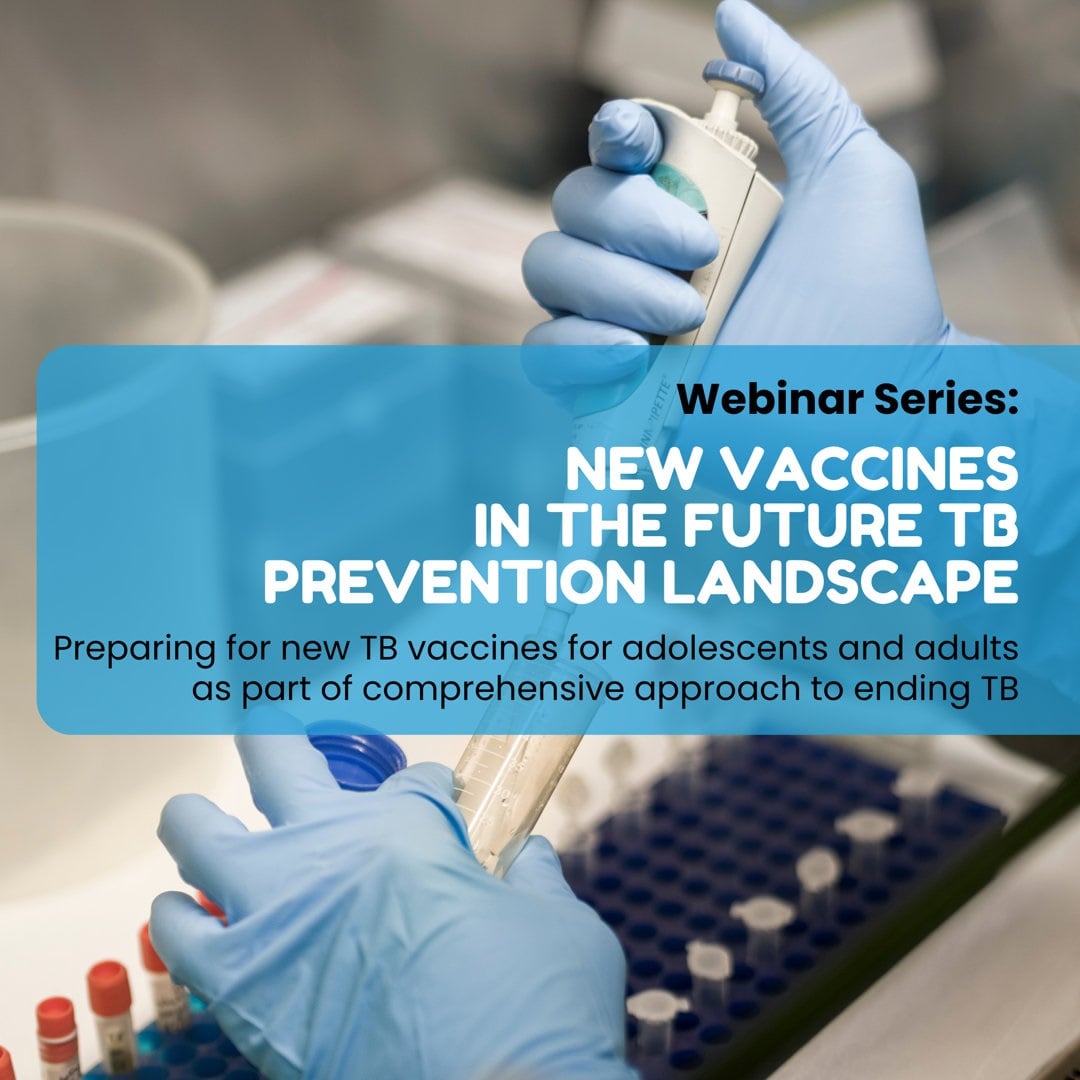
As late-stage clinical trials advance toward potential approvals by 2029, the Treatment Action Group and Wellcome have launched the Architects of Trust program.
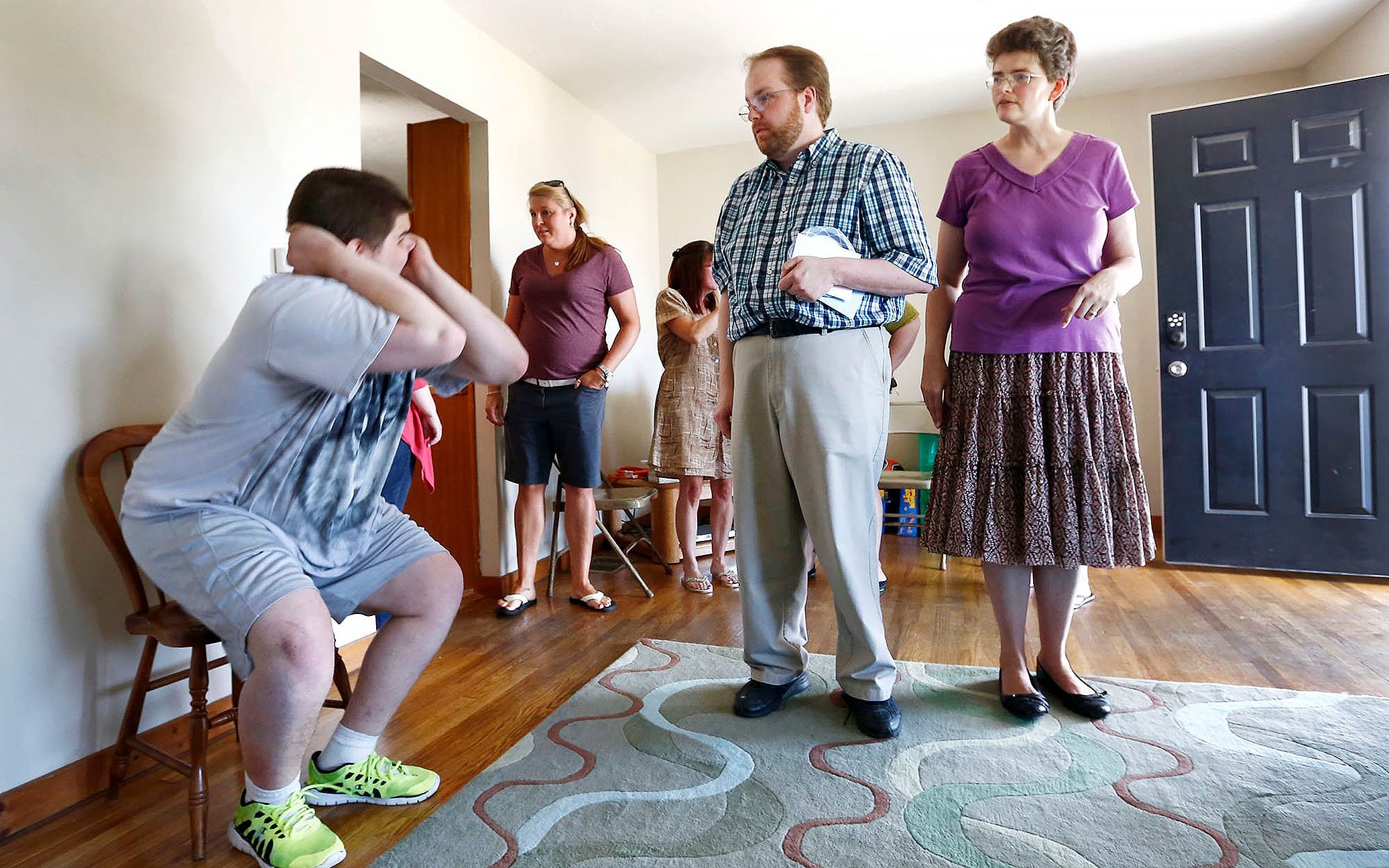
Nearly 17 percent of eight-year-old autistic children in the United States meet the criteria for profound autism under a newly refined definition released by researchers.
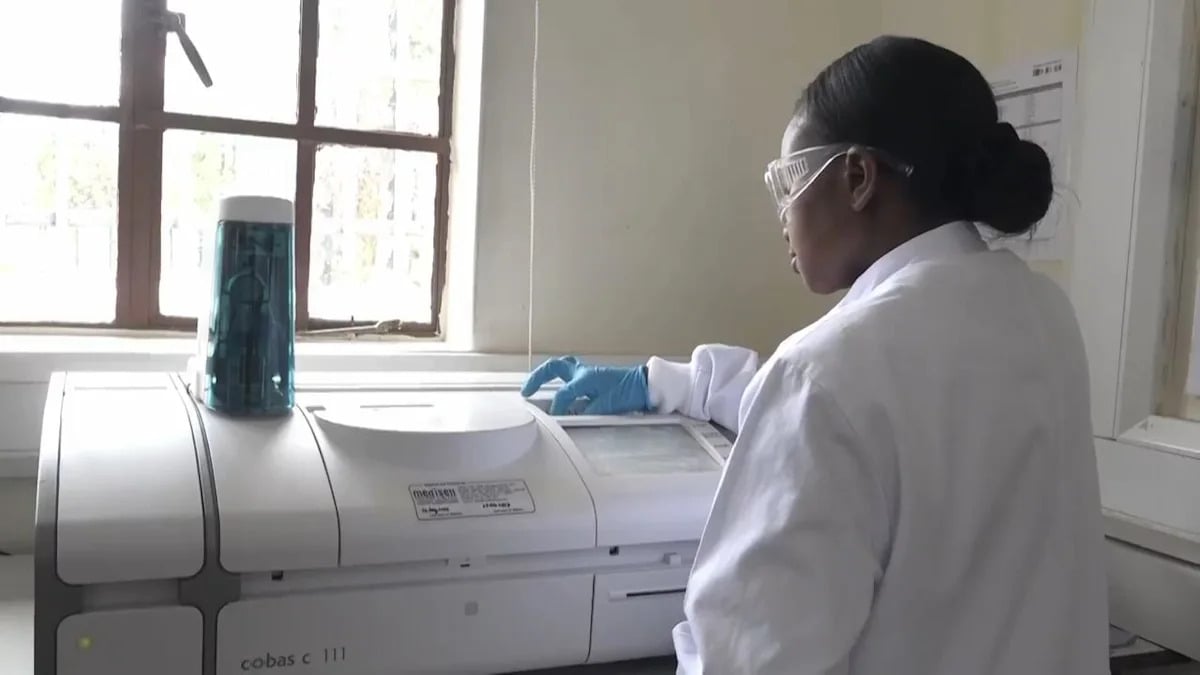
Researchers in Uganda launched a Phase I clinical trial of the ChAdOx1 BDBV vaccine candidate in Masaka City on October 6, 2026, marking a critical step in evaluating the vaccine…
The Centers for Disease Control and Prevention confirmed its third measles death of 2026 on October 20, as the nation battles its largest outbreak in decades with over 4,400…

Researchers at the University of Cincinnati and UC Davis have demonstrated a preclinical proof-of-concept for an experimental gene therapy targeting hydrocephalus.
We use cookies to run this site, measure traffic and — with your consent — to personalize ads. See our Cookie Policy.