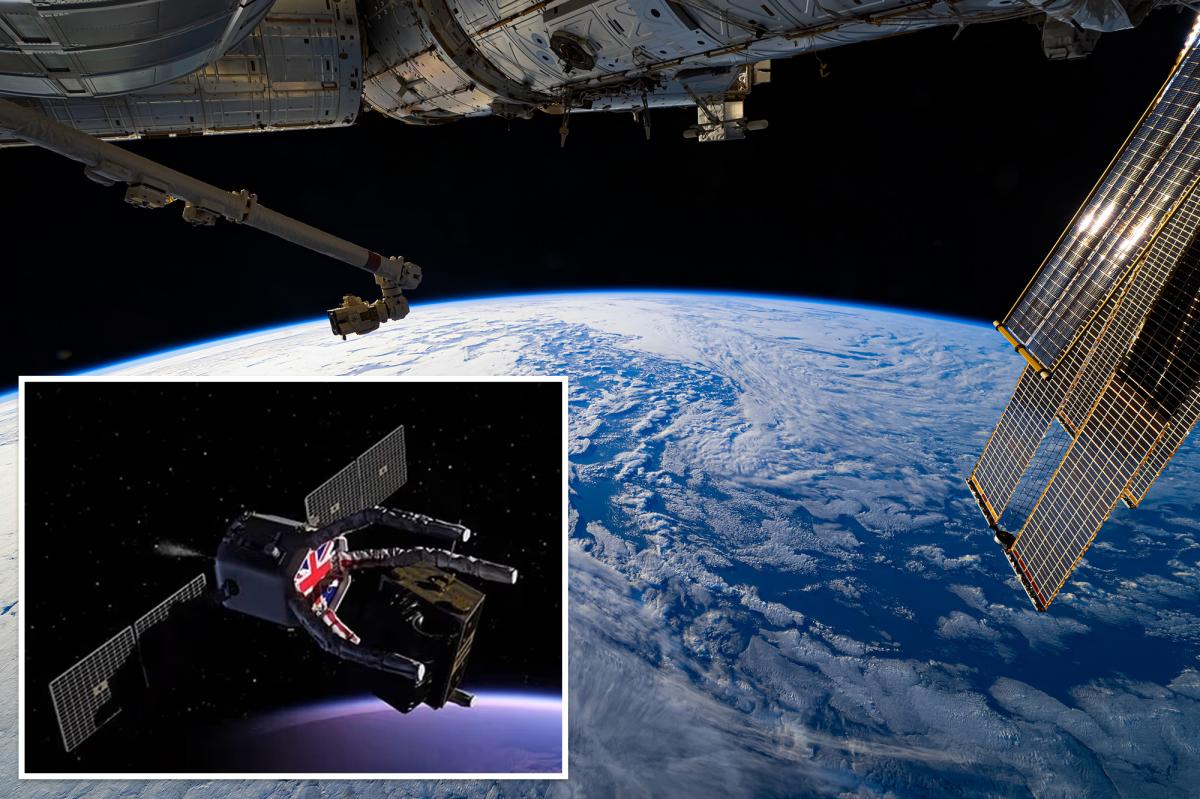
The UK Space Agency signed a £61.3 million contract with ClearSpace UK to build a robotic spacecraft featuring four grabbing arms. Scheduled to launch in 2029 from SaxaVord Spaceport in Scotland, the mission aims to capture and destroy two defunct British satellites by 2032 to combat orbital debris.
Space is getting crowded. Thousands of inactive satellites, spent rocket bodies, and fragments from past collisions circle Earth at incredible speeds, posing a severe threat to operational infrastructure.
To tackle this mounting hazard, the UK Space Agency contracted aerospace manufacturer ClearSpace UK under the Active Debris Removal Programme, known as UK ADR. The project is backed by roughly $81 million, translating to £61.3 million.
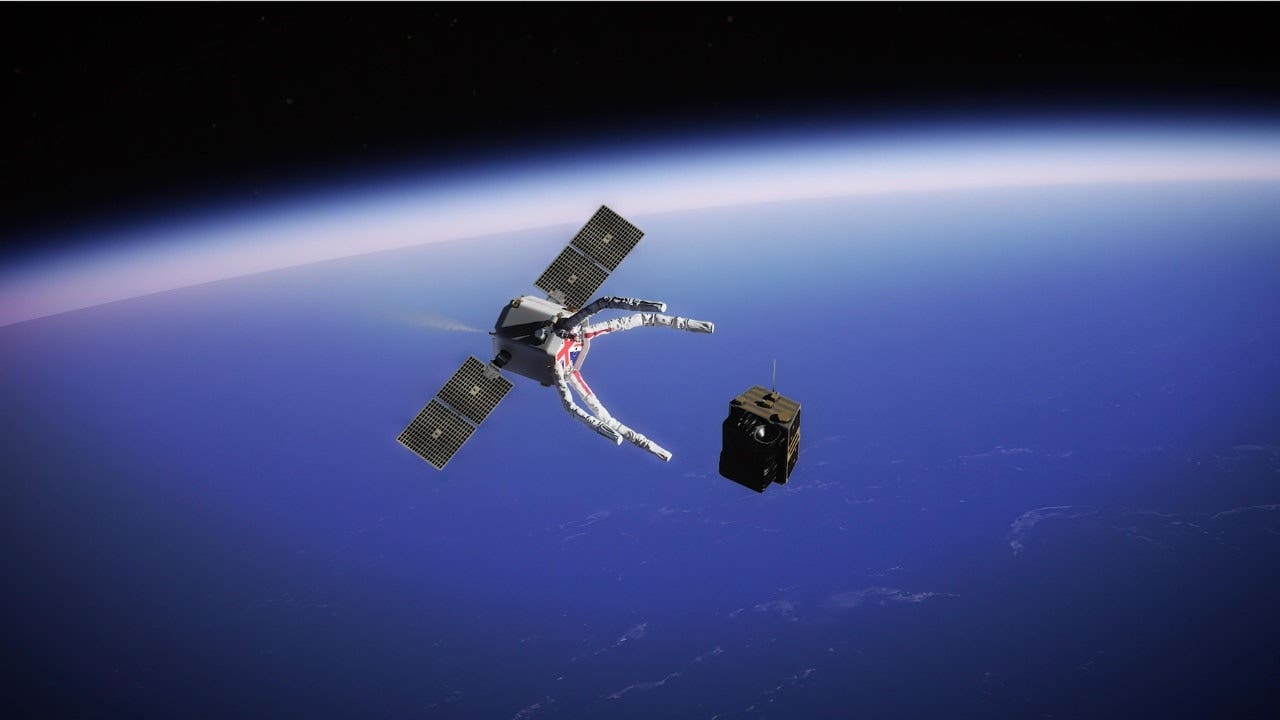
How the Four-Armed Spacecraft Will Grapple Debris
Catching space junk presents immense technical hurdles. Objects in low Earth orbit typically travel at roughly 17,000 mph, and defunct satellites often tumble uncontrollably.
Because historical spacecraft were never built to be handled externally, traditional gripping tools like magnets or suction cups fail in the vacuum of space. Instead, engineers designed a vehicle equipped with four specialized grabbing arms.
Mission Timeline at SaxaVord Spaceport
The cleanup vehicle will launch from SaxaVord Spaceport on the Isle of Unst in Scotland’s Shetland Islands, utilizing a rocket provided by Rocket Factory Augsburg. Its primary assignment involves locating two defunct UK-registered satellites in low Earth orbit and guiding them into Earth’s atmosphere to burn up safely.
The UK Space Agency has partnered with ClearSpace UK for a mission to remove two defunct satellites from Earth’s orbit. Scheduled to launch in 2029 from Scotland’s SaxaVord Spaceport, the spacecraft will use robotic technology to capture the satellites and guide them into a lower… pic.twitter.com/zxoufUJCh3
The British government set a target to have both satellites removed by 2032. If the mission succeeds, it will mark the first time a single spacecraft disposes of multiple dead satellites without burning up itself.
Designed with refueling capabilities, the ClearSpace craft can be parked in a safe orbit and reused for future missions rather than being discarded after a single cleanup.
Stakes for Global Satellite Infrastructure
According to European Space Agency statistics updated in October 2026, approximately 47,140 objects are tracked regularly in Earth’s orbit, alongside millions of smaller, untracked fragments. Experts warn that unchecked debris could trigger a chain reaction of collisions rendering vital orbits unusable.
Space junk and debris pose an immense and growing challenge, but with our homegrown expertise, the UK is determined to lead the global effort to clean up space.
Liz Lloyd, UK Space Minister, via UK gov statement
Officials emphasize that protecting everyday services like GPS, weather forecasting, and telecommunications depends on managing orbital congestion. Alongside this initiative, the UK Space Strategy has committed £7.8 billion in funding until 2030 to support satellite communications and in-orbit servicing.
Related reading

Griffith University Researchers Map Growth Curves for Eastern Australian Humpback Whales
Eastern Australian humpback whales reach an average length of 10.9 meters by age five, according to new research...

NASA to Land Astronauts on Moon by 2028
NASA is adopting an urgent, streamlined approach to spaceflight, targeting the launch of Artemis III next summer for...

Laurentide Ice Sheet Expansion Began 2,000 Years Ago, But Stopped In The 1960s
Radiocarbon dating of dead moss preserved beneath the Barnes Ice Cap reveals that glacier expansion began around 2,000...

Egypt Uncovers Fossils of Five Extinct Shark Species in Western Desert
Fourteen shark teeth from at least five extinct species have been discovered in Egypt’s Western Desert.