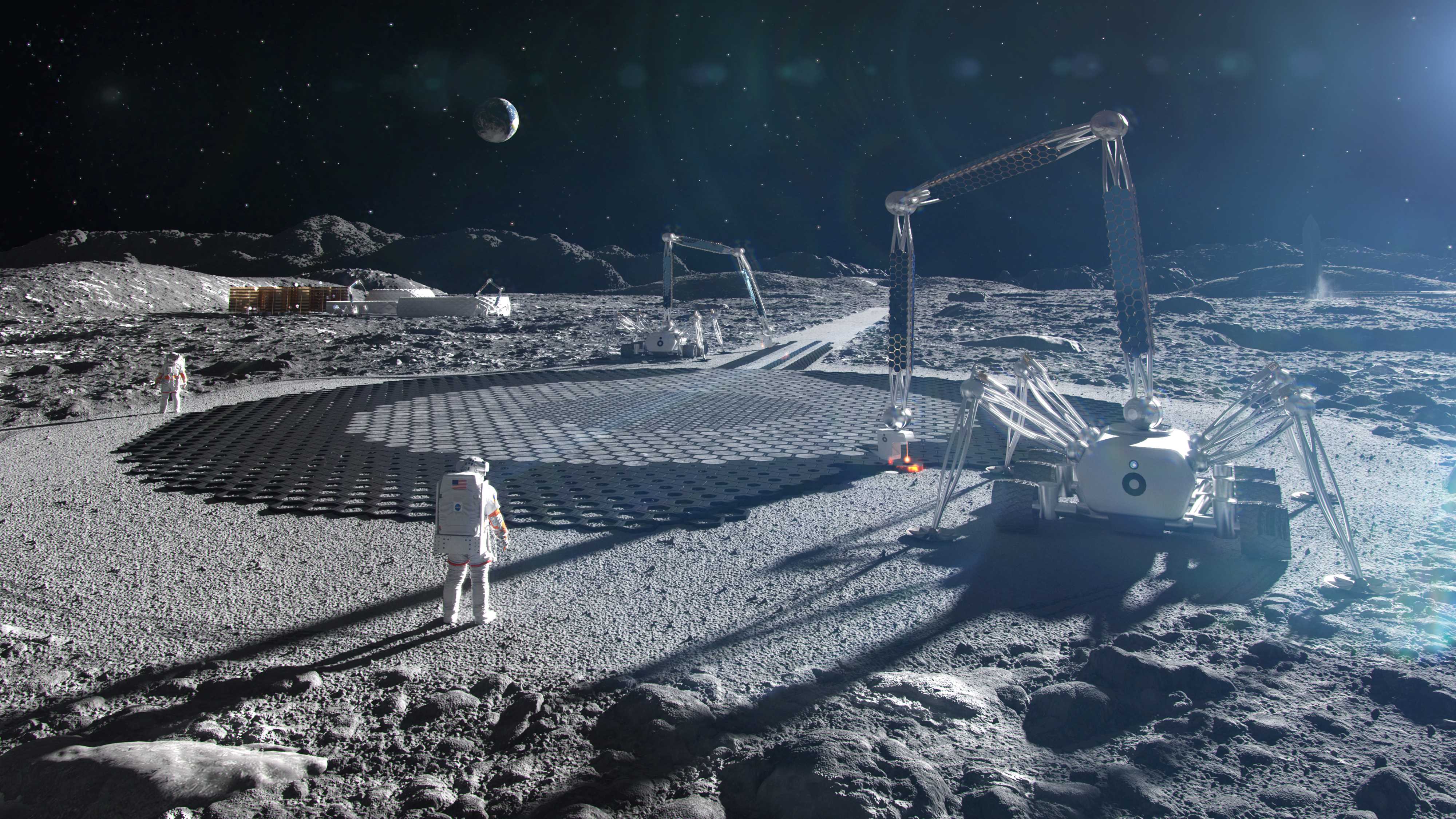
NASA chose three scientific investigations led by Ariel Deutsch of NASA’s Ames Research Center in California’s Silicon Valley and Mehdi Benna of the University of Maryland, Baltimore County, to study lunar resources, map natural shelters, and assess environmental hazards ahead of building humanity’s first Moon base. The payloads will launch under the agency’s PRISM program, using Commercial Lunar Payload Services to deliver critical survival data before future astronauts arrive.
NASA is increasing its mission cadence to lay the groundwork for a sustained human presence on the lunar surface.
DISCO Instrument Will Measure Ice in Lunar Cold Traps
Led by Ariel Deutsch of NASA’s Ames Research Center in California’s Silicon Valley, the instrument will provide the first direct, on-the-ground measurements of ice hidden in lunar micro-cold traps. Water extraction is central to long-term lunar habitation because hauling every drop from Earth is financially and logistically prohibitive. To locate and quantify this resource, researchers will rely on the Depth Imager with Spectral and Color Optics payload, known as DISCO. As part of the agency’s Moon Base Program, these technological tools and scientific instruments were chosen via NASA’s Payloads and Research Investigations on the Surface of the Moon initiative and will travel to the Moon using Commercial Lunar Payload Services.
Beyond hunting for water, DISCO will evaluate ground stability and examine how rocket exhaust interacts with lunar soil during landings and departures. Spacecraft operating regularly near a base risk kicking up abrasive dust and debris that can damage nearby habitats, solar arrays, and scientific instruments. Understanding these physical dynamics is vital for separating landing areas from other infrastructure and preparing safe operational zones.
Probing Subterranean Lava Tubes at Marius Hills
The lunar surface exposes equipment and crews to harsh solar radiation, micrometeoroids, and radical temperature fluctuations.
Confirming these void spaces could transform habitat planning. If accessible, underground caverns would offer natural thermal stability and heavy shielding against deadly ionizing radiation, easing the engineering hurdles of long-term survival.
Tracking Environmental Hazards at the South Pole
Led by Mehdi Benna of the University of Maryland, Baltimore County, the station features a short-period seismometer to detect moonquakes, alongside sensors that track falling micrometeoroids and measure volatile materials drifting into the Moon’s thin outer layer of gases. Operating equipment safely on the Moon requires a thorough accounting of active environmental hazards. Situated close to the lunar South Pole, the third investigation will keep watch over conditions capable of impacting subsequent surface missions. The Lunar Environment Monitoring Station – South Pole, or LEMS-SP, will act as an autonomous long-term monitoring post.
“Each new PRISM selection strengthens our ability to deliver ambitious, transformative science to the lunar surface,” said Brad Bailey, director of the Exploration Science Strategy Integration Office in NASA’s Science Mission Directorate.
Brad Bailey, director of the Exploration Science Strategy Integration Office in NASA’s Science Mission Directorate
These payloads are funded through NASA’s Payloads and Research Investigations on the Surface of the Moon program and will fly via the Commercial Lunar Payload Services initiative. Agency officials state that the data gathered will minimize astronaut risks while advancing preparation for eventual human missions to Mars.
Keep reading
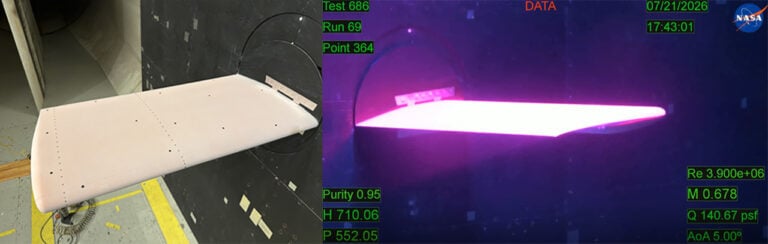
NASA Tests Pressure-Sensitive Paint on Moving Wing in Wind Tunnel
NASA researchers at Langley Research Center have completed the first unsteady pressure-sensitive paint tests on a freely moving...
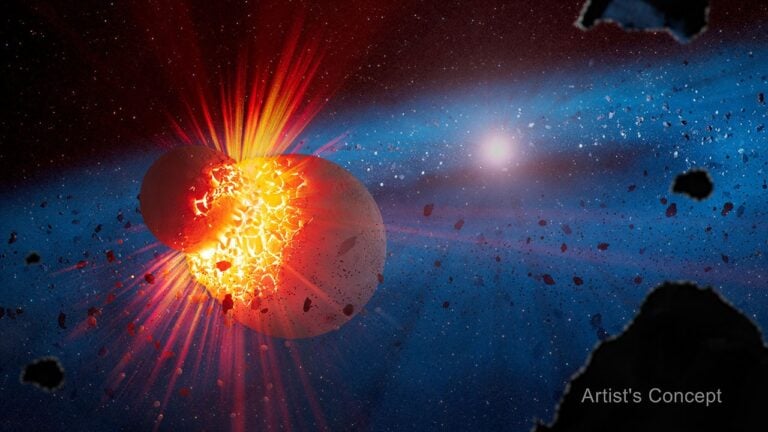
Webb Telescope Spots 21 Star Systems With Extreme Debris Disks
Astronomers using the James Webb Space Telescope and retired Spitzer archive data have identified 21 young star systems...
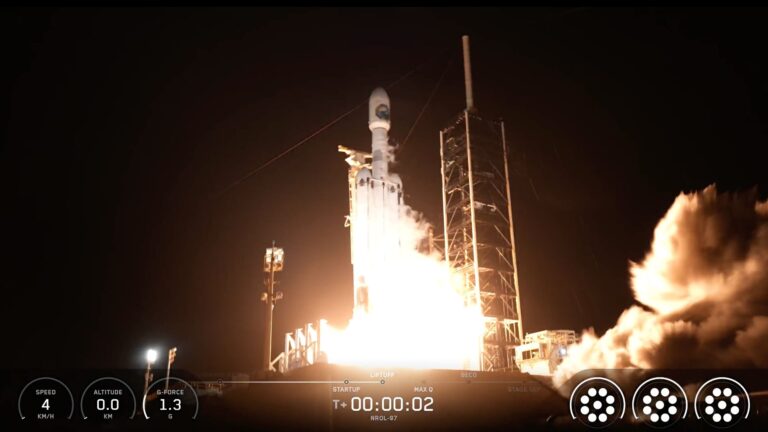
SpaceX Launches First Falcon Heavy Mission for National Reconnaissance Office
SpaceX launched a classified National Reconnaissance Office payload aboard a Falcon Heavy rocket from Florida on Thursday night,...
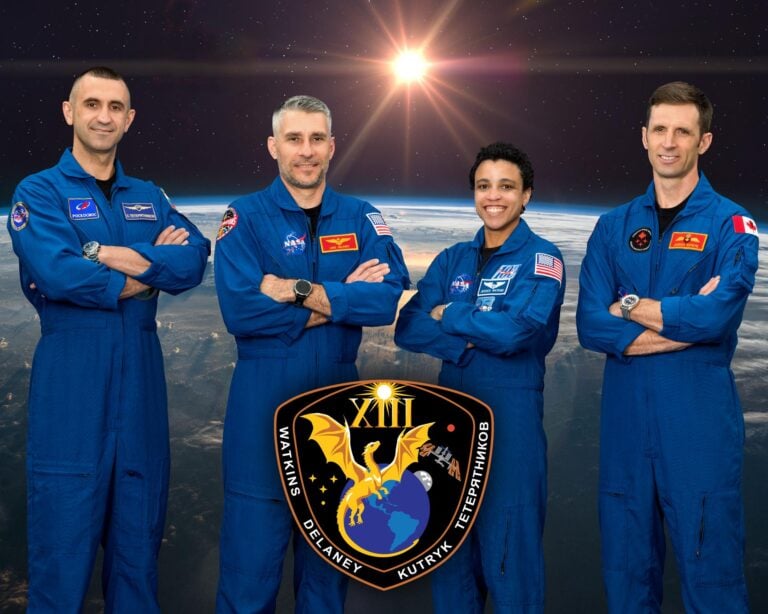
SpaceX Crew-13 Docks at ISS After Record-Breaking Flight
Four astronauts docked at the International Space Station on Thursday following a record-breaking eight-hour express flight from Florida.