Cornell Researchers Develop MUFASA Simulation Framework for Microscopy
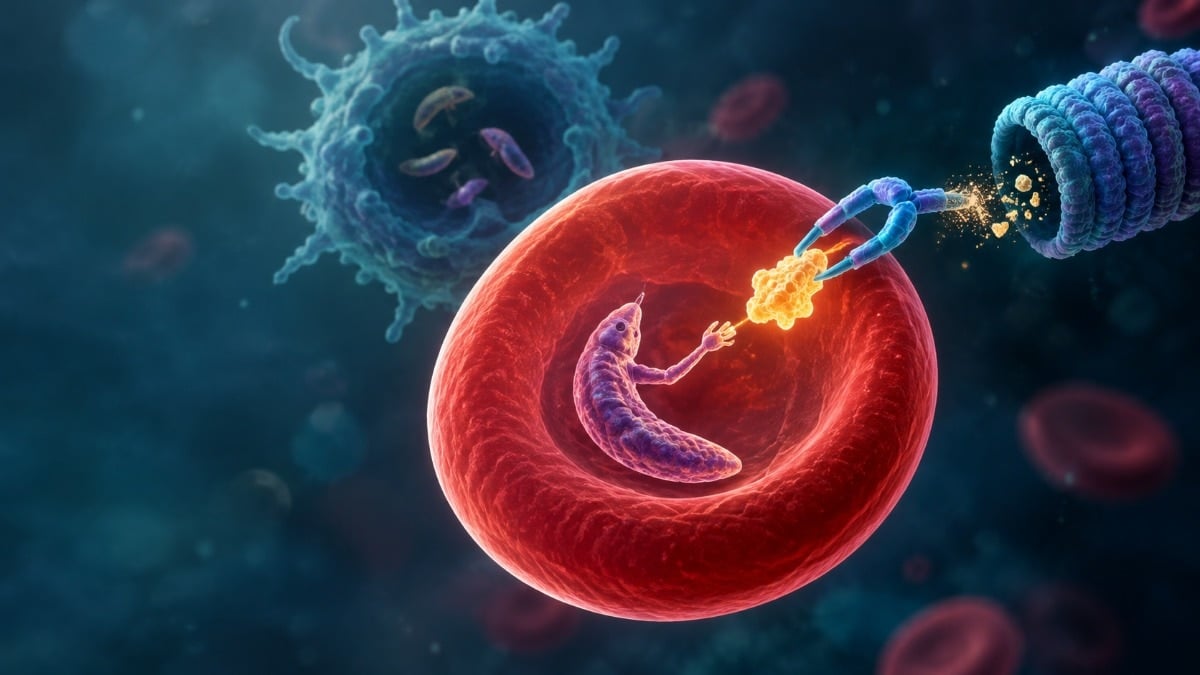
Researchers have developed new continuous-time simulation frameworks and optical imaging methods to track real-time cell metabolism and verify super-resolution fluorescence…
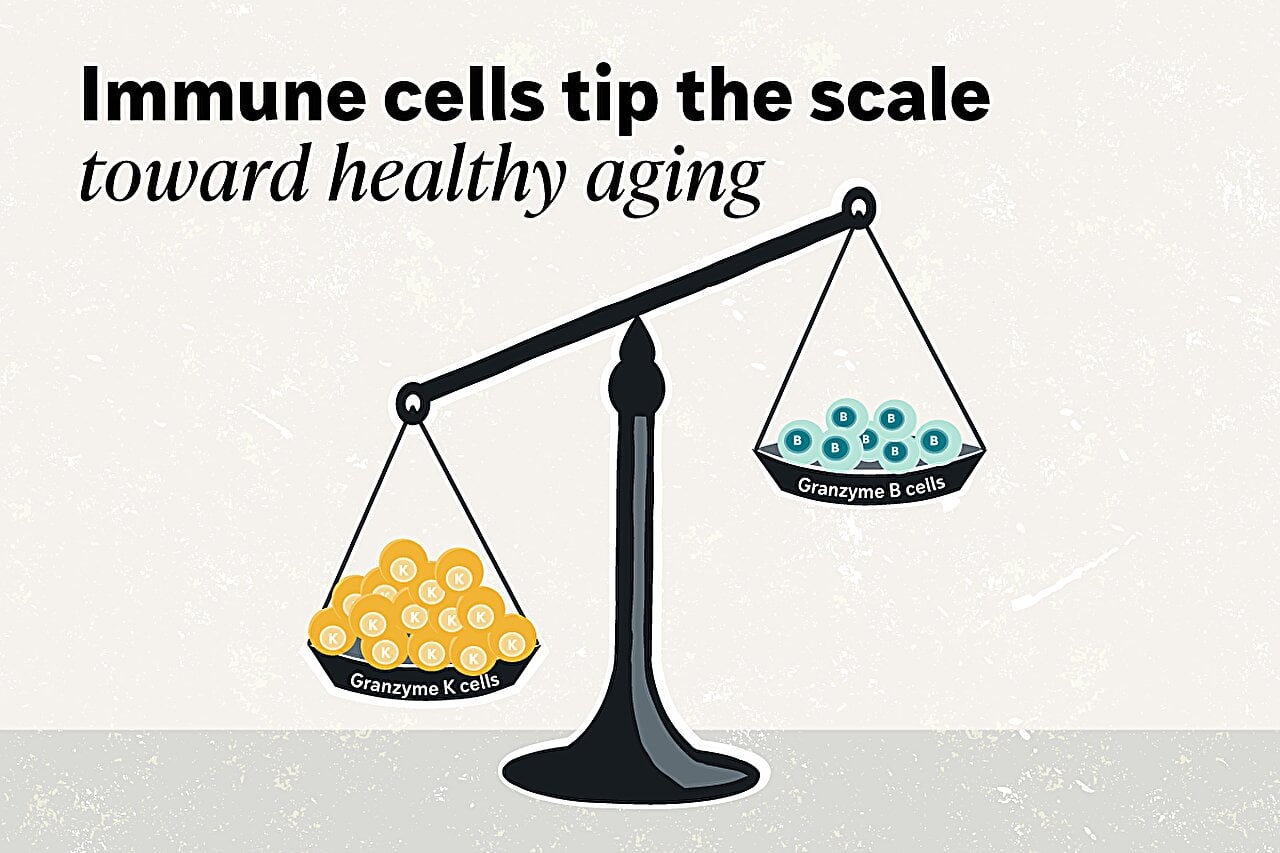
Researchers analyzing millions of immune cells from global cohorts have discovered that the ratio between two white blood cell types reveals whether an individual is on a healthy…
Neuroscientist Louisa Nicola argues that up to 95 percent of Alzheimer’s cases are preventable through lifestyle choices, pointing to inflammation and brain energy deficiency as…
Marking World Mental Health Day 2026, the Irish government announced an €11 million funding package to expand youth mental health services, talk therapies, and early…
Therapeutic horseback riding cuts hyperactivity in children with autism and co-occurring psychiatric conditions, according to new research published in Pediatrics.
Routine blood screening tests and advanced genetic markers are offering doctors new ways to estimate long-term dementia risks and track cognitive impairment.
Researchers at Jawaharlal Nehru University have targeted the human protein p38-MAPK to weaken both malaria and kala-azar parasites in laboratory cells, offering a potential…
During a one-year period at a tertiary care center in Eastern India, seven patients with post-procedural wound infections were identified with culture-confirmed M.
Researchers at Kyoto University discovered that administering olive oil before carbohydrates blunts early blood sugar spikes in mice by slowing gastric emptying and triggering a…
Plague has returned to global headlines following a researcher’s fatal pneumonia in Siberia, prompting World Health Organization scrutiny.
Universal germline genetic testing across nearly 40,000 cancer patients at Memorial Sloan Kettering Cancer Center revealed that standard age-based screening cutoffs miss a…
More than one in 10 people across the European Union could not afford regular leisure activities in 2025, according to Eurostat data released in October 2026.
We use cookies to run this site, measure traffic and — with your consent — to personalize ads. See our Cookie Policy.