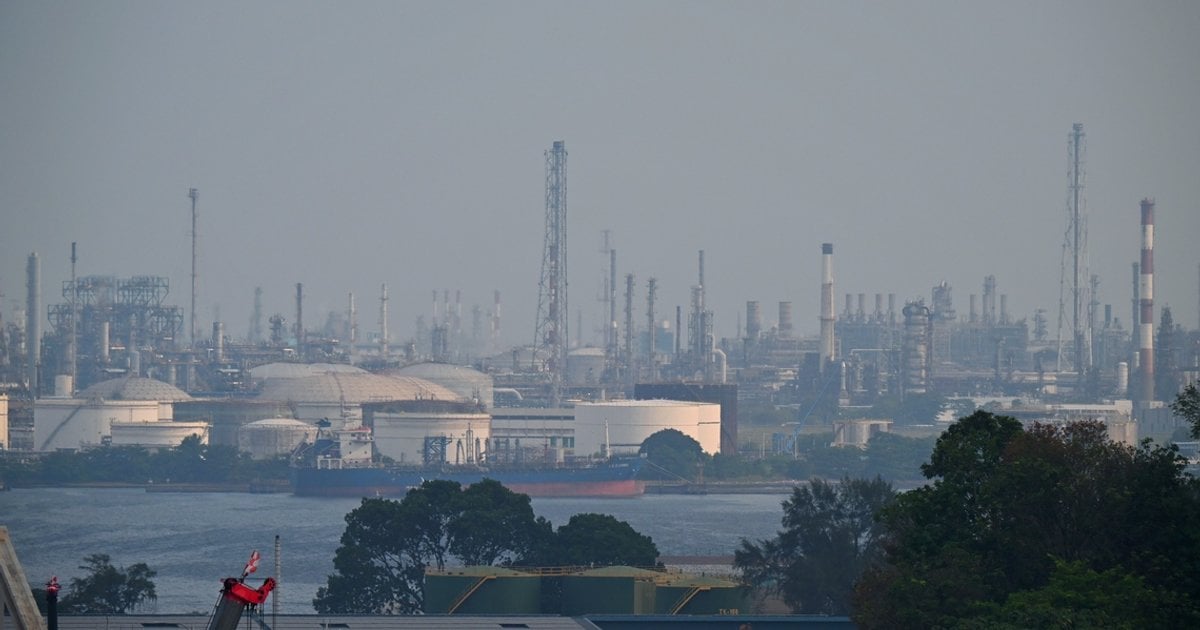
Indonesia cut pipeline natural gas exports to Singapore by 31 billion British thermal units per day on October 24, 2026, to prioritize domestic electricity generation. Singapore’s Energy Market Authority reported that the reduction affects less than 2% of daily demand, while officials in Jakarta tied resource policy to national survival.
The supply reduction took effect on Saturday, according to the head of Indonesia’s upstream oil and gas regulator SKK Migas, Djoko Siswanto. Speaking on the sidelines of the Ministry of Energy and Mineral Resources’ Subroto Awards in Jakarta, Djoko detailed that exports would drop by 15 BBTUD from Natuna and 16 BBTUD from Sumatra.
The cut amounts to about 9% of Indonesia’s pipeline gas deliveries to the city-state, reported by Reuters and cited across regional coverage.
Energy Business News noted that gas from the Natuna fields would be redirected toward PLN electricity operations in Batam, while additional volumes support power needs in Bintan and Sumatra. According to Djoko Siswanto, head of the Special Task Force for Upstream Oil and Gas Business Activities (SKK Migas), no country besides Singapore faces these export adjustments because the pipeline goes directly to Singapore only.
Singapore Energy Market Authority Assesses Minimal Impact on Grid
Singapore’s Energy Market Authority stated in the evening of October 24 that the reduction makes up less than 2% of the nation’s total daily gas demand. The EMA spokesperson added that importers will pursue all relevant recourse in their contracts for the gas supply disruption, and noted that the authority has contingency plans in place to deal with such reductions.
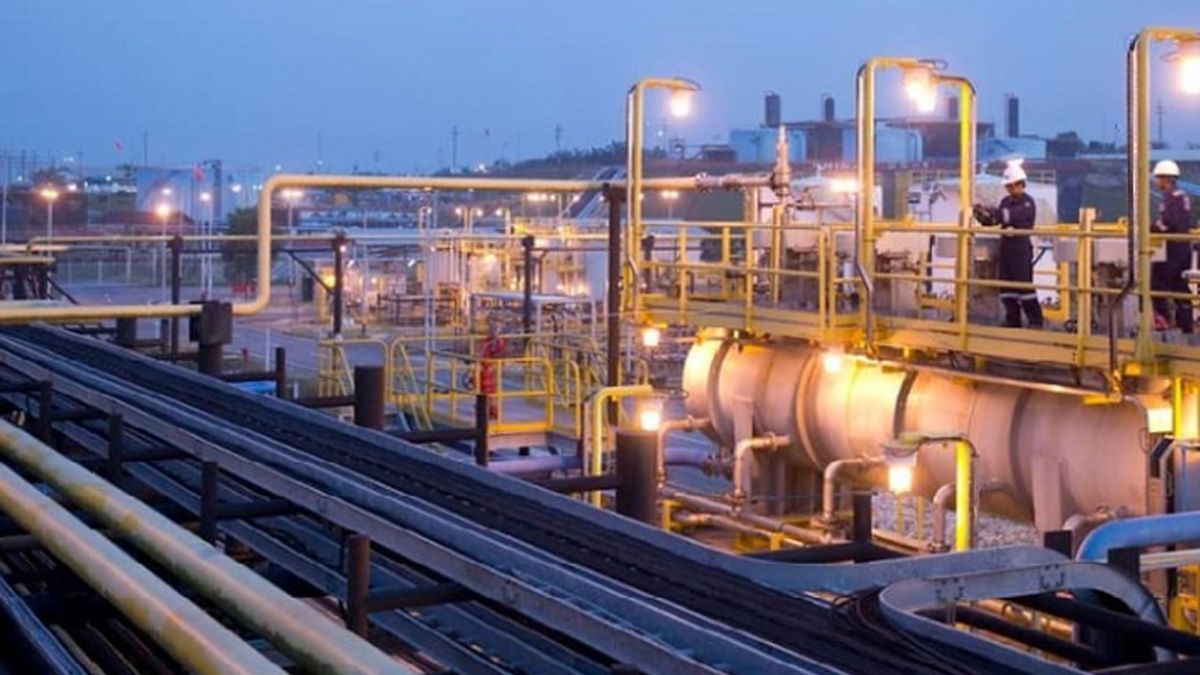
Singapore relies on natural gas for 95% of its electricity needs, drawing supplies from multiple international suppliers. National University of Singapore academic David Broadstock, an economist who monitors the energy sector, stated that the reduction represents a small portion of daily electricity demand, meaning the overall cost impact will not be substantial.
The EMA also cited how Singapore had experienced previous reductions ranging from 20 BBTUD to 100 BBTUD in recent months due to planned or urgent maintenance, and that such shortfalls had been replaced with other gas sources without incident.
Jakarta Officials Push Domestic Survival Focus
Speaking aboard a gas production vessel off East Kalimantan during the October 22 inauguration of new facilities at the Jangkrik and Maha gas fields, Bahlil cautioned that Jakarta would review export agreements with countries failing to show mutual respect. Speaking on his ministry’s YouTube channel, Bahlil added that countries that respect Indonesia would still be welcome to buy its energy, noting that even without a contract, such nations would be welcomed.
During this year’s haze season, the 24-hour Pollutant Standards Index hit a peak of 230 on October 18, and the hourly PM2.5 concentration reached 288 micrograms per cubic meter on October 14. Singapore served legal notices on 10 Indonesian companies suspected of contributing to the fires.

Contract Timelines and Long-Term Diversification Plans
Indonesia remains one of Singapore’s primary traditional energy providers, with existing pipeline contracts scheduled to expire at the end of 2028. Arifin Tasrif served as Energy and Mineral Resources Minister at the time. He made it known in 2022 that the gas sales agreement with Singapore would be prolonged by five years past its initial 2023 termination date, carrying it through to 2028. Based on Indonesian energy ministry data published by Katadata, the share of natural gas utilized domestically stood at 69.8% in 2025 and climbed to 74.55% by June of 2026.
Singapore has steadily expanded its import capabilities and alternative energy generation. Deputy Prime Minister Gan Kim Yong previously noted in Parliament in September 2025 that no single nation accounts for more than 30% of the republic’s gas imports.
Singapore’s LNG terminal began operations in 2013. The terminal allows the city-state to procure gas from multiple international suppliers, with LNG accounting for close to 60% of total supplies, and a second LNG terminal is currently being built to increase import capacity.
Singapore GasCo was established in 2025 as a central gas aggregator to reshape national procurement and ensure the country remains adequately contracted.
Kenya Secures China Market for Dried Chilli Exports
Kenya has secured access to China’s market for dried chillies, announced by KEPHIS, allowing producers to diversify exports.
Typhoon Champi grounds nearly 1,000 flights, disrupts Taiwan
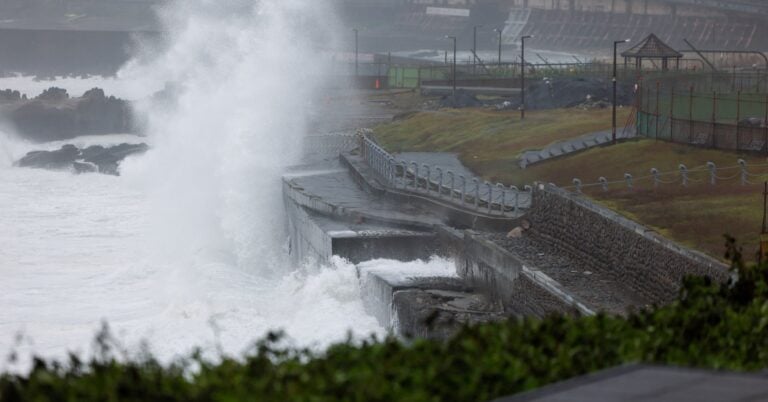
Typhoon Champi swept near northeastern Taiwan on October 23, 2026, prompting widespread shutdowns across the island.

Christa Pike Survives Botched Tennessee Execution Attempt
Death row inmate Christa Pike survived a botched execution attempt in Tennessee after staff struggled with intravenous lines,...

Wicknell Chivayo Gave Sugar Sugar Unregistered Toyota Fortuner
Zimbabwean businessman Wicknell Chivayo’s death has left a tangled web of unpaid car dealer debts and unresolved gifts,...